At first glance, a wildly popular romance about two male ice hockey rivals might seem like an unlikely topic for a fitness-focused audience. And yet has quietly become one of the most discussed cultural phenomena among young women—especially those who train, follow elite sports, or consume performance-driven media. This is not about voyeurism, shock value, or a sudden interest in labels. It is about bodies under pressure, rivalry as fuel, discipline as desire, and intimacy stripped of performance for others. In other words: it is about themes fitness culture knows extremely well.
Rivalry, performance, and the psychology of attraction
At the core of Heated Rivalry lies a dynamic every athlete understands intuitively: sustained rivalry creates meaning. Two elite performers locked in long-term competition sharpen each other, define each other, and, paradoxically, depend on each other. This mirrors what happens in high-level training environments, where progress is rarely born from comfort. Rivalry generates structure, urgency, and emotional charge. For many readers, especially women who train or closely follow professional sports, this rivalry feels authentic. It is not decorative. It is functional. Desire emerges not from dominance fantasies, but from mutual competence and shared sacrifice.
Bodies that work, not bodies that pose
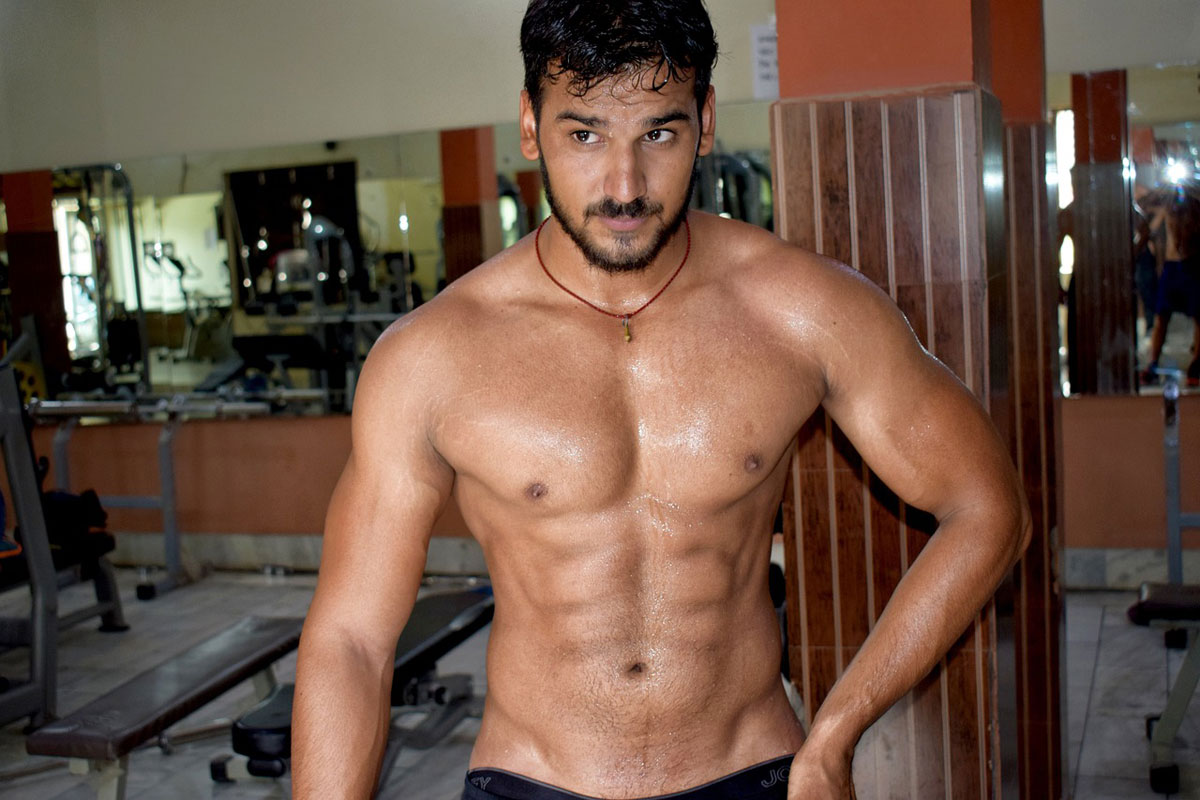
One reason Heated Rivalry resonates so strongly is its treatment of the athletic body. These are not abstract symbols of masculinity. They are bodies that bruise, fatigue, adapt, and perform under load. In fitness culture, there is a growing fatigue with aesthetic-only narratives. The appeal shifts toward bodies that do something—lift, skate, endure, recover. The novel’s protagonists are defined by what their bodies can sustain, not by how they are displayed. This aligns with a broader movement in modern training culture, where functionality, resilience, and longevity increasingly matter more than surface-level optics.
Why many female readers connect so strongly
The interest many women show in this story is often misinterpreted. It is not primarily about sexual novelty. Instead, it reflects a desire for narratives free from traditional gender scripts. Two men in competition remove familiar expectations placed on female characters: emotional labor, caretaking, or self-sacrifice. What remains is a relationship built on parity. Both characters train, suffer, win, lose, and carry emotional restraint shaped by elite sport. For readers used to navigating male-dominated gyms, locker rooms, or competitive environments, this equality feels refreshingly honest.
Elite sport as emotional suppression—and release
High-performance sport often rewards emotional containment. Athletes learn early that vulnerability can be costly. Heated Rivalry explores what happens when that containment cracks, not through melodrama but through proximity and repetition. The repeated encounters between the two athletes resemble long training cycles: intense, controlled, and emotionally economical. For a fitness-oriented audience, this rings true. Training is often the socially acceptable outlet for aggression, stress, and identity conflict. The story taps into that same mechanism, showing how physical intensity can coexist with emotional restraint without collapsing into cliché.
The quiet rejection of performative masculinity
Another reason the narrative resonates lies in what it refuses to do. It does not glorify loud dominance or exaggerated toughness. Instead, masculinity is depicted as competence, discipline, and reliability under pressure. In modern fitness culture, this shift is already underway. The performative alpha archetype is increasingly questioned, while consistency, recovery, and mental resilience gain respect. Heated Rivalry mirrors this evolution by presenting strength as something internalized rather than advertised.
Training culture, repetition, and long-term tension
The structure of the story itself resembles a long-term training plan rather than a dramatic arc. Progress happens in increments. Setbacks occur. Growth is non-linear. This rhythm feels familiar to anyone who has trained seriously over years. There is no instant transformation, no overnight breakthrough. Instead, tension accumulates slowly, shaped by seasons, injuries, and competitive calendars. This long horizon is precisely what many readers find compelling—and what distinguishes the story from short-lived hype.
Why this matters for fitness media
For fitness platforms, the success of Heated Rivalry signals something important: audiences are hungry for narratives that respect physical intelligence. This does not mean turning fitness content into fiction. It means recognizing that training, sport, and health are deeply cultural experiences. Stories that treat the athletic body as a site of meaning—not just measurement—resonate far beyond traditional genre boundaries. Fitness is not isolated from desire, identity, or culture. It is embedded in all three.
Beyond hype: what remains
Stripped of social media amplification, Heated Rivalry endures because it speaks to something stable: the relationship between effort and identity. Whether in elite sport or everyday training, people recognize themselves in disciplined bodies negotiating pressure, rivalry, and connection. For a fitness-literate audience, that recognition feels earned. Not sensational. Not accidental. Just quietly, physically true.
Beyond hype: what remains
Stripped of social media amplification, Heated Rivalry endures because it speaks to something stable: the relationship between effort and identity. Whether in elite sport or everyday training, people recognize themselves in disciplined bodies negotiating pressure, rivalry, and connection. For a fitness-literate audience, that recognition feels earned—not sensational, not accidental, just quietly true.
Why this story resonates in fitness culture
What makes the Heated Rivalry phenomenon interesting for a fitness audience isn’t “the spicy part” (the internet will always find oxygen for that), but the way it reframes what bodies, training, and status actually mean when the characters are elite athletes. Fitness culture thrives on narratives: the comeback arc, the grindset myth, the belief that discipline automatically equals virtue.
Performance does not guarantee emotional maturity
The story borrows the visual language of performance—routine, repetition, periodization, recovery, pressure, public scrutiny—but refuses the usual straight-line conclusion that physical dominance produces emotional growth. The bodies are sculpted, but the mind often lags behind the physique. Anyone who has hit a PR and still felt hollow the next morning recognizes that disconnect immediately.
Rivalry as a physiological and psychological state
Rivalry in sport is also a metabolic condition: slightly over-caffeinated, slightly under-rested, permanently calibrated to comparison. The body becomes both weapon and shield—strong enough to win, lean enough to be watched, controlled enough to feel safe from judgment. In that environment, desire stops being distraction and becomes a stress test.
What fitness culture often gets wrong
This mirrors modern fitness spaces where identity is welded to outcomes and vulnerability is treated like a performance flaw. Confidence is sold as something you can optimize. Heated Rivalry exposes a less Instagrammable truth: discipline does not automatically resolve emotional avoidance, and optimization does not equal self-knowledge.
The real takeaway for fitness-literate readers
You can manage macros perfectly and still panic when you lose control over how you’re perceived. You can train recovery systems relentlessly and still be terrible at repairing relationships. The healthier version of training culture doesn’t shame desire, doesn’t fetishize pain, and doesn’t confuse aesthetics with wellbeing.
When the next level isn’t a new program
Sometimes the next level isn’t a new plan, supplement, or metric. Sometimes it’s learning to stop treating your own inner life like an opponent you have to defeat. That recognition—quiet, physical, and unglamorous—is why the story sticks beyond the hype.