From rivalry to regulation: why elite bodies still struggle with control
Heated Rivalry resonates far beyond fandom because it exposes a tension every serious athlete knows: the gap between physical mastery and emotional regulation. Elite bodies are trained to tolerate discomfort, suppress noise, and execute under pressure, yet that same discipline can delay emotional literacy. In high-performance environments, rivalry sharpens output but often destabilizes recovery, sleep quality, decision-making, and interpersonal trust. The story’s endurance is rooted in this contradiction: bodies can be optimized while nervous systems remain reactive. For a fitness-literate audience, that’s not drama—it’s physiology meeting psychology under load.
Training load, identity load, and the hidden cost of comparison
Rivalry functions like an invisible training variable. Constant comparison elevates arousal, nudges cortisol upward, and biases attention toward threat cues—ranking, selection, public scrutiny. Over time, this identity load competes with recovery. Athletes may hit volume targets yet under-recover emotionally, leading to irritability, brittle confidence, and avoidance behaviors. Heated Rivalry frames comparison not as motivation alone but as a metabolic tax that accumulates when identity is welded to outcomes. Fitness culture often celebrates comparison as fuel; the smarter takeaway is dosage. Rivalry can be useful in cycles, harmful when chronic.
Periodization isn’t just physical: emotional cycles matter
We periodize training because tissues adapt at different rates. Emotional systems do too. Continuous competition without relational deloads amplifies reactivity and narrows coping strategies. The narrative’s credibility comes from mirroring what many athletes experience: peak phases that deliver performance but degrade connection, followed by off-phases where unresolved stress surfaces. Translating this to real-world fitness means planning psychological recovery alongside deload weeks—lower comparison exposure, fewer metrics, more autonomy. Sustainable performance depends on both.
Masculinity, aesthetics, and the performance trap
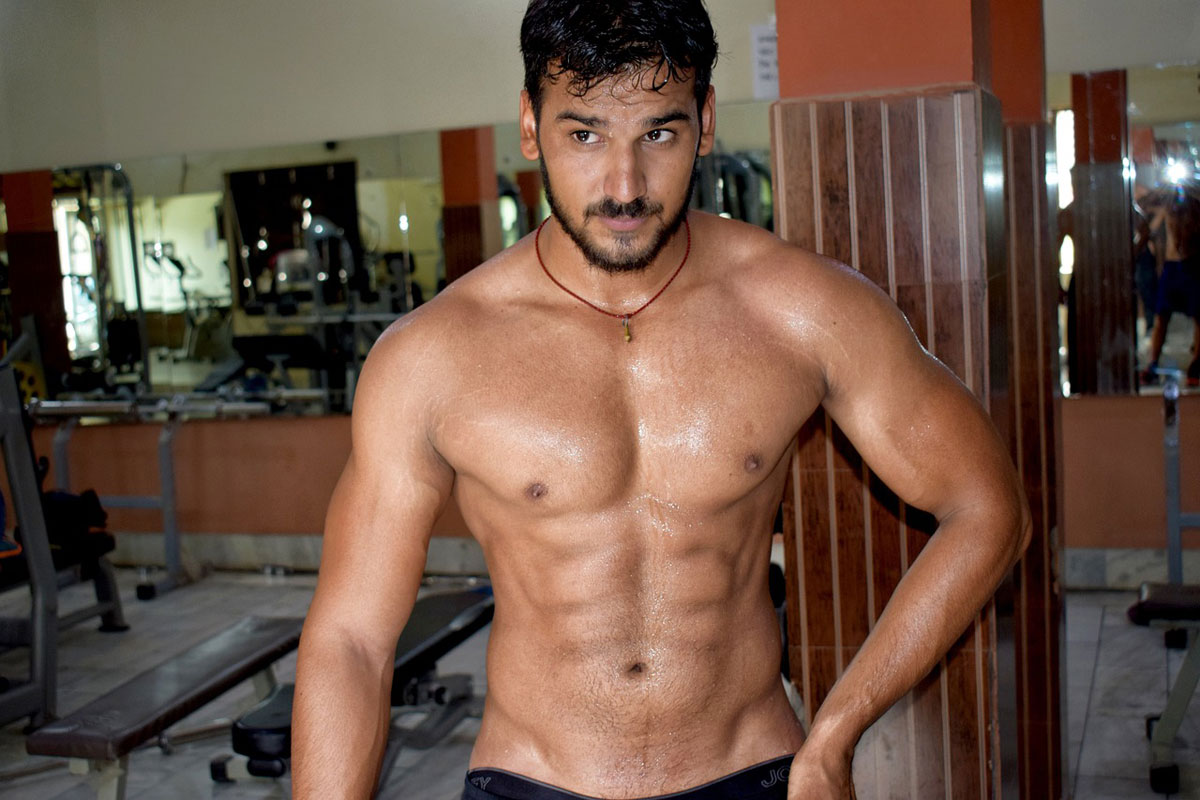
Mainstream fitness media still sells a simplified equation: look strong, feel strong, be strong. Heated Rivalry complicates that math. The bodies are sculpted, but the characters remain guarded, highlighting a modern problem—performative masculinity that prizes control while avoiding vulnerability. In gyms and online spaces, aesthetics become surveillance. Metrics multiply, self-judgment accelerates, and emotional expression is reframed as inefficiency. The story lands because it refuses to present physique as a cure-all. Strength without flexibility—physical or emotional—breaks under load.
Stress physiology: when desire meets sympathetic dominance
Desire in competitive environments isn’t just attraction; it’s a stress test. Sympathetic dominance sharpens focus but dampens attunement. Athletes conditioned to override signals may misread connection as threat or distraction. The narrative’s realism lies in showing how high arousal blunts nuance. For fitness audiences, the implication is practical: chronic sympathetic bias undermines sleep, appetite regulation, and relationship quality. Interventions that restore parasympathetic tone—breath work, low-intensity aerobic sessions, untracked movement—are not soft; they are performance-preserving.
Recovery culture beyond ice baths and wearables
Recovery has been commodified: cold exposure, compression, dashboards. Heated Rivalry points to what devices can’t fix—avoidance patterns and attachment stress. No wearable flags emotional under-recovery, yet its effects show up in plateaus and burnout. Fitness professionals can read this as a cue to broaden recovery education. Encourage athletes to audit inputs that don’t register on apps: online comparison time, media cycles, relational conflict. Reducing those loads often restores progress faster than adding another tool.
Competition as skill, not identity
The healthiest athletes treat competition as a skill they deploy, not a self-definition they inhabit. Heated Rivalry’s staying power comes from charting the cost of confusing the two. When rivalry becomes identity, losses feel existential and wins fail to satisfy. In training terms, this is specificity gone wrong—over-adaptation to a single stimulus. Fitness culture benefits from reframing competition as contextual: valuable in bouts, dispensable in daily life. This shift protects motivation and reduces emotional volatility.
Why the story resonates with a fitness audience, not despite it
Stripped of hype, the appeal isn’t novelty; it’s recognition. Athletes recognize routines, pressure cycles, public evaluation, and the mismatch between visible success and internal stability. The narrative borrows the language of performance—discipline, repetition, scrutiny—then declines the expected payoff. That refusal mirrors a growing fatigue in fitness spaces with alpha theater and grindset slogans. Readers aren’t abandoning performance; they’re asking for honesty about its limits.
Practical takeaways for training culture
For gyms, coaches, and self-directed athletes, the lesson is operational. Plan emotional deloads. Limit comparison windows. Teach recovery as nervous-system regulation, not just muscle repair. Normalize strength with softness—mobility for the mind. Performance and connection aren’t enemies when load is managed. Heated Rivalry endures because it frames growth as integration, not conquest.
Beyond hype: what remains
Without social amplification, the story persists because it articulates a stable truth: disciplined bodies negotiating pressure don’t automatically produce integrated selves. Fitness culture advances when it accepts that metrics are tools, not meanings; rivalry is a lever, not a home; and the next level is often less about adding intensity than subtracting noise. For athletes who train seriously, that recognition feels earned—quietly, physically true.