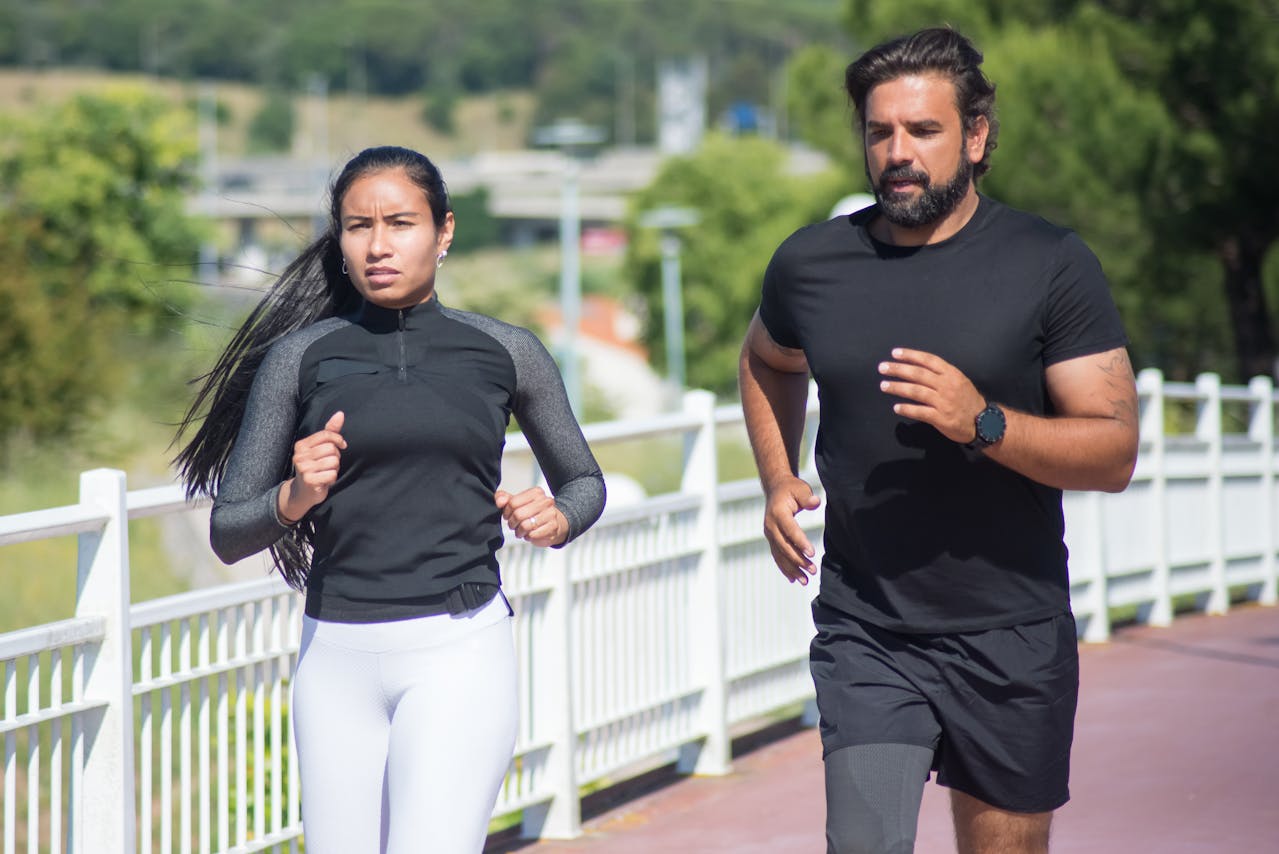
At 18, training is often about proving something. You want more muscle, more speed, more weight on the bar, more visible evidence that you are serious. After 40, if you are honest, the goal changes. You still want to look good, of course, because nobody wakes up hoping to resemble a worn-out office chair. But the deeper objective shifts. You want energy, resilience, less pain, better sleep, a body that supports your life instead of constantly negotiating with it. That change matters because it should change the way you train. Too many people over 40 still follow programs built for younger bodies, younger schedules, and younger egos. Then they wonder why progress stalls, joints complain, motivation fades, and recovery feels like a part-time job. The problem is not age. The problem is refusing to train in a way that matches reality.
After 40, Efficiency Becomes the Real Flex
One of the biggest lies in fitness is that effectiveness always looks intense. It doesn’t. After 40, especially if you have a job, a family, responsibilities, and a nervous system that no longer finds chaos charming, the real question is not how hard you can train. It is how intelligently you can train. Efficiency becomes more important than volume. Not because you are weaker, but because your time is more valuable and your recovery budget is smaller. That means you cannot afford junk volume, random workouts, endless isolation work, or marathon sessions that leave you exhausted but not meaningfully better. The goal is no longer to spend the most time in the gym. It is to get the most return from the time you actually have.
What works after 40 is not complexity, but clarity. Consistent strength training, intelligent volume, and proper recovery create results. But understanding when your body needs more or less is not always obvious. As we discussed in your body was always talking — AI is finally listening, interpreting your own data is becoming one of the most important skills in modern fitness.
What Actually Works
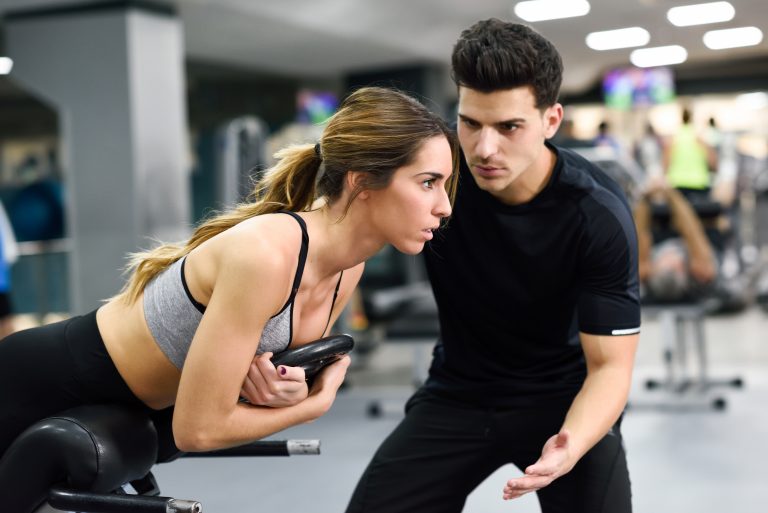
What works after 40 is rarely glamorous. Consistent strength training still matters, probably more than ever. You need muscle for metabolism, joint stability, posture, insulin sensitivity, and basic quality of life. But you do not need to train like a maniac to keep it. A smaller number of high-value movements, done with intent and good technique, will usually outperform a bloated routine designed to make you feel heroic. Compound lifts, controlled progression, sensible intensity, enough rest between sessions, and an honest willingness to stop before your body files a complaint in writing — that is the framework. Cardio still matters too, but it should support your life, not flatten it. Walking, cycling, intervals used sparingly, and aerobic work that improves capacity without turning every session into punishment all have a place. The older you get, the more your body rewards clarity over chaos.
What Does Not Work Anymore
What stops working is usually everything built around ego, comparison, or fantasy. Training six or seven days a week because a 24-year-old influencer with no children and questionable lighting says discipline is everything. Chasing soreness as proof of effort. Confusing exhaustion with adaptation. Believing that if a workout leaves you unable to sit down properly, it must have been productive. This is where midlife training often becomes ridiculous. Adults with real stress loads keep adding physical stress on top of mental stress, poor sleep, inconsistent eating, and long workdays, then expect the body to respond as if it were living in a sports science lab with a chef and a nap room. The body is many things. Delusional is not one of them.
Sleep Is Not Optional, No Matter What Instagram Tells You
If there is one variable that remains scandalously underrated, it is sleep. Social media still promotes the fantasy that serious people rise at 5 a.m., train before sunrise, attack their inbox, drink coffee with militant intent, and somehow emerge sharper than everyone else. Tim Cook is often held up as a symbol of that early-rising productivity mythology. Fine. He is also a billionaire CEO with extraordinary control over his environment. For ordinary people, copying the wake-up time without copying the conditions is not discipline. It is theatre. Sleep is where muscle repair, hormonal balance, nervous-system recovery, cognitive performance, and emotional regulation are supported. The body does not care that you posted a sunrise gym selfie. If you are chronically underslept, your training quality, appetite control, mood, and recovery all suffer. Waking up early is not impressive if you went to bed too late. It is just sleep deprivation with good branding.
If there is one variable that remains scandalously underrated, it is sleep. Social media still promotes the fantasy that serious people rise at 5 a.m., train before sunrise, attack their inbox, drink coffee with militant intent, and somehow emerge sharper than everyone else. Tim Cook is often held up as a symbol of that early-rising productivity mythology. Fine. He is also a billionaire CEO with extraordinary control over his environment. For ordinary people, copying the wake-up time without copying the conditions is not discipline. It is theatre. Sleep is where muscle repair, hormonal balance, nervous-system recovery, cognitive performance, and emotional regulation are supported. And as we’ve already explored in detail, recovery after 40 becomes one of the most critical factors for long-term progress. The body does not care that you posted a sunrise gym selfie.
The Problem With American Fitness Culture
This issue is amplified in the United States, where hectic living has been elevated to a cultural operating system. Long work hours, mental overload, processed food, fragmented attention, and the permanent background hum of stress make sensible training harder than it should be. Fitness is then sold as both solution and status marker. Train harder, optimize more, buy another device, sign another contract, subscribe to another plan. It is a beautiful business model. First normalize a lifestyle that burns people out, then sell them products to survive it. The result is that many adults over 40 train against their life instead of within it. They are not building a durable system. They are trying to compensate for chaos with effort. That works for a while, until it does what chaos usually does: it wins.
The Mediterranean Reminder
This is why the southern European contrast matters. Not because every Mediterranean beach town is a longevity laboratory, but because the lifestyle logic is different. People in more Mediterranean settings often eat better, move more naturally, spend more time in social settings, and live with a slightly less hysterical relationship to time. The Mediterranean diet keeps appearing in healthy aging research for a reason: it is rich in whole foods, olive oil, legumes, fish, vegetables, and patterns that the body can actually tolerate over decades. More importantly, it tends to exist within a broader cultural rhythm that is not built entirely on urgency. And yes, that matters. Longevity is not just what you take or track. It is how much needless stress your body is expected to absorb for years on end.
Why Social Media Keeps Sending People the Wrong Way
Social media does not guide people over 40. It polarizes them. One side screams hustle: 5 a.m. starts, grind mentality, no excuses, train harder. The other side sells softness as a complete answer: mobility flows, breathing drills, Tai Chi clips, and the suggestion that all aging bodies need is calm movement and vague wisdom. The truth, awkwardly enough for the algorithm, sits in the middle. Tai Chi can absolutely be valuable for balance, coordination, stress reduction, and body awareness. But it is not a replacement for resistance training, muscle maintenance, or the kind of structured load that helps preserve function with age. In the same way, brutal high-intensity training every day is not a badge of seriousness. It is often just a fast route to feeling old in a more dramatic way. Extremes perform well online because nuance is terrible entertainment. Unfortunately, nuance is also where results live.
Your Goals Are Different Now — That Is a Good Thing
After 40, most people are not really training for applause anymore. They are training to keep life easier. To carry things without pain. To sit less stiffly. To sleep better. To age with some dignity instead of one dramatic grunt at a time. That shift is not a defeat. It is maturity. It means your goals are finally attached to reality. You may still want visible muscle, lower body fat, and better performance, and there is nothing wrong with that. But the deeper metric becomes function. How do you feel during the day? How well do you recover? Can you stay consistent? Does your body support your work, your family life, your travel, your sleep, your mood? If training improves those things, it is working. If it only gives you numbers to brag about while everything else deteriorates, it is not.
Train for Your Life, Not for a Fantasy
The smartest approach after 40 is surprisingly simple. Prioritize strength training, but keep it focused. Use cardio strategically, not compulsively. Protect sleep as if it were part of the program, because it is. Stop treating recovery like weakness and start treating it like infrastructure. Ignore social-media extremes that either glorify punishment or pretend all challenge is toxic. Eat in a way your body can sustain, not in a way that merely sounds optimized. Most of all, stop asking whether your training looks impressive and start asking whether it works inside the life you actually live. Because that is the only question that matters now. Efficiency is not about doing more in less time. It is about doing only what actually works. And after 40, that might be the most liberating lesson in fitness.
Sources
NIH/PMC – Sleep and Athletic Performance: Impacts on Physical Performance, Recovery, and Mental Well-Being
NIH/PMC – The Impact of Sleep Interventions on Athletic Performance
American College of Sports Medicine – Recovery That Keeps You in the Game
American College of Sports Medicine – Aging and Physical Activity Resources
NIH/PMC – Mediterranean Dietary Pattern for Healthy and Active Aging
NIH/PMC – Influence of the Mediterranean Diet on Healthy Aging
Fortune – Reporting on Tim Cook’s early routine and performance culture