Biohacking, Psychedelics and the New Fitness Religion
Modern fitness no longer knows where training ends and belief begins. What once meant lifting weights, eating reasonably well and sleeping enough has gradually expanded into a full spiritual operating system: morning sunlight protocols, cold plunges, testosterone optimization, microdosing, glucose tracking, breathwork, wearable data, longevity clinics, psychedelic retreats and enough supplements to make a kitchen cabinet look like a private pharmacy with motivational lighting. The language has changed as well. People no longer simply exercise. They optimize. They upgrade. They regulate their nervous system. They align with performance. They become the best version of themselves, preferably before breakfast and with a discount code.
The first article in this series, The New Superhuman Culture: When Fitness Stops Being Human, explored the Enhanced Games as a symbol of a new American obsession with pharmaceutical performance and biological escalation. But the Enhanced Games are only the loudest, most theatrical version of a much broader cultural shift. The deeper story is not just doping in sport. It is the rise of a new fitness religion in which the body is treated less as a living organism and more as a project requiring constant ritual, correction and monetization.
The New Believers of Optimization
Every religion needs believers, rituals, prophets and symbols. Modern biohacking has all of them. The believers are not necessarily traditional athletes. They are founders, executives, influencers, longevity enthusiasts, podcast disciples, men searching for lost testosterone, and highly functional people who somehow became convinced that ordinary health is a disappointing baseline. Their rituals include ice baths, red-light panels, fasted cardio, sleep tracking, breathwork, intermittent fasting, sauna protocols and blood panels interpreted with the seriousness once reserved for sacred texts.
The prophets are familiar: longevity entrepreneurs, supplement founders, self-experimenting millionaires, wellness podcasters, hormone doctors and tech figures who speak about the human body as if it were an underperforming startup. Their promise is seductive: with enough data, discipline, pharmaceuticals and self-knowledge, you can become sharper, stronger, leaner, calmer, younger and perhaps even slightly less mortal. It is an ancient desire wearing a smartwatch.
When Health Becomes a Moral Performance
The problem is not that these tools are useless. Many are genuinely valuable. Strength training works. Sleep tracking can reveal destructive habits. Blood tests can identify deficiencies. Psychedelic-assisted therapy is being studied seriously for certain mental health conditions. Testosterone therapy can be medically appropriate when properly diagnosed. The issue begins when useful tools are transformed into identity markers and moral signals.
In some corners of American fitness culture, being healthy is no longer enough. One must be optimized. Rest is not rest; it is recovery architecture. Food is not food; it is metabolic signaling. Meditation is not quiet; it is nervous-system regulation. Even walking outside now risks being rebranded as circadian alignment. At a certain point, the wellness industry does not liberate people from stress. It gives stress a better user interface.
| Old Fitness Habit | New Fitness Religion |
|---|---|
| Going to bed earlier | Sleep architecture optimization |
| Eating vegetables | Gut-brain-axis intervention |
| Taking a walk | Circadian rhythm calibration |
| Resting after training | Recovery protocol deployment |
| Lifting weights | Hormonal adaptation strategy |
| Feeling tired | Biomarker-driven system failure |
The Political Stage and the Golden Calf Problem
This religious atmosphere does not stop at fitness. It increasingly overlaps with American politics, where symbolic rituals, public invocations and highly choreographed displays of loyalty have become common features of the stage. The English term for the people often described in German as erzkonservative Gläubige would be hardline religious conservatives or ultra-conservative believers, depending on context. And in recent years, parts of the political right have blended faith, nationalism, masculinity and bodily strength into a single cultural performance.
The image almost writes itself. At CPAC 2021 in Orlando, Florida, a gold-colored statue of Donald Trump was rolled through the conference halls and widely compared online to the biblical golden calf. Whether one sees that comparison as fair or theatrical, the symbolism was impossible to miss: a political figure rendered as an object of spectacle, admiration and photo opportunity. In the same cultural ecosystem, the enhanced body becomes another idol. Not a calf, perhaps, but a physique polished by hormones, data and marketable certainty.
Psychedelics and the Search for Revelation
Psychedelics occupy a particularly interesting place in this new religion. In clinical contexts, substances such as psilocybin or MDMA are being studied for depression, PTSD and other serious conditions. That research deserves respect. But wellness culture has a rare talent for turning serious medicine into lifestyle theater. What begins as therapy can quickly become enlightenment branding.
In elite fitness and biohacking circles, psychedelics are often framed as tools for creativity, ego dissolution, trauma processing, productivity and spiritual awakening. The language can sound oddly medieval if one listens closely: purification, revelation, rebirth, transformation, access to hidden knowledge. Replace the retreat center with a stone chapel and the microdose with a relic, and the psychological structure becomes surprisingly familiar. Human beings have always wanted rituals that promise access to a higher state. Silicon Valley simply added venture capital and nicer headphones.
The Testosterone Temple
Testosterone has become one of the central sacraments of this culture. For men with clinically low levels, medically supervised treatment can improve quality of life. But the broader marketing around testosterone often moves far beyond medicine. It sells confidence, dominance, masculinity, sexual energy, ambition and a return to some imagined primal self. Conveniently, that primal self usually arrives through a subscription clinic, lab work and recurring billing.
This is where fitness, politics and identity begin to blur. In certain online spaces, testosterone is no longer just a hormone. It becomes a symbol of cultural resistance, proof of authenticity, a biochemical argument against weakness. The irony is rich. A culture that claims to celebrate natural masculinity increasingly defines it through pharmaceutical assistance. Apparently, nature is sacred until it needs a monthly injection.
Longevity as Salvation
Longevity culture adds another layer. Its most extreme versions promise not merely better health, but escape from decline itself. Aging becomes a technical problem. Mortality becomes a management failure. The body becomes a dashboard of risks waiting to be corrected. Again, some of this is useful. Preventive medicine matters. Strength training, nutrition, sleep and metabolic health genuinely extend healthy lifespan. But the fantasy of total control can become psychologically exhausting.
There is a difference between wanting to age well and treating every wrinkle, lab value or missed sleep score as evidence of personal failure. The first is wisdom. The second is a wellness-shaped anxiety disorder with premium branding. A long life is not automatically a better life if every day is spent auditing the body like a suspicious accountant.
Why This Matters for Ordinary Fitness
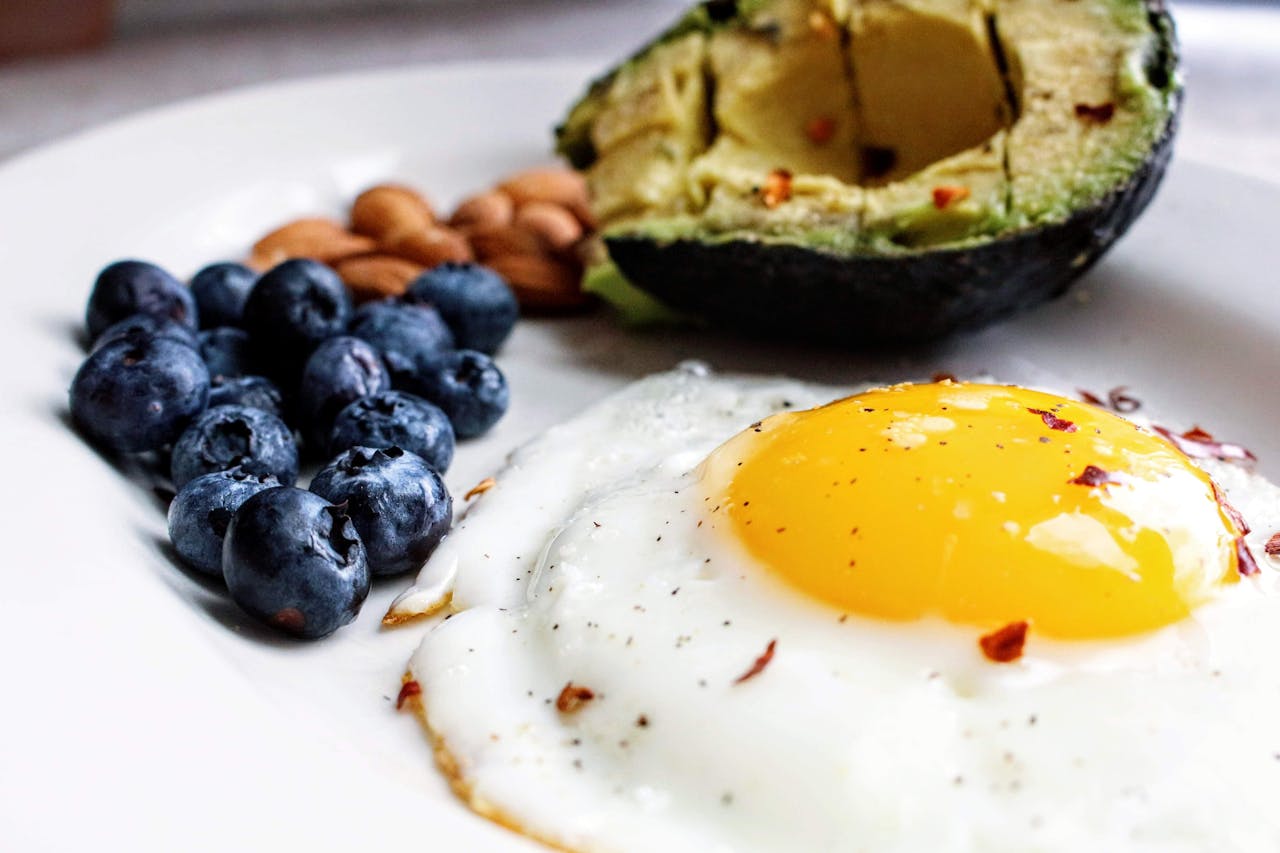
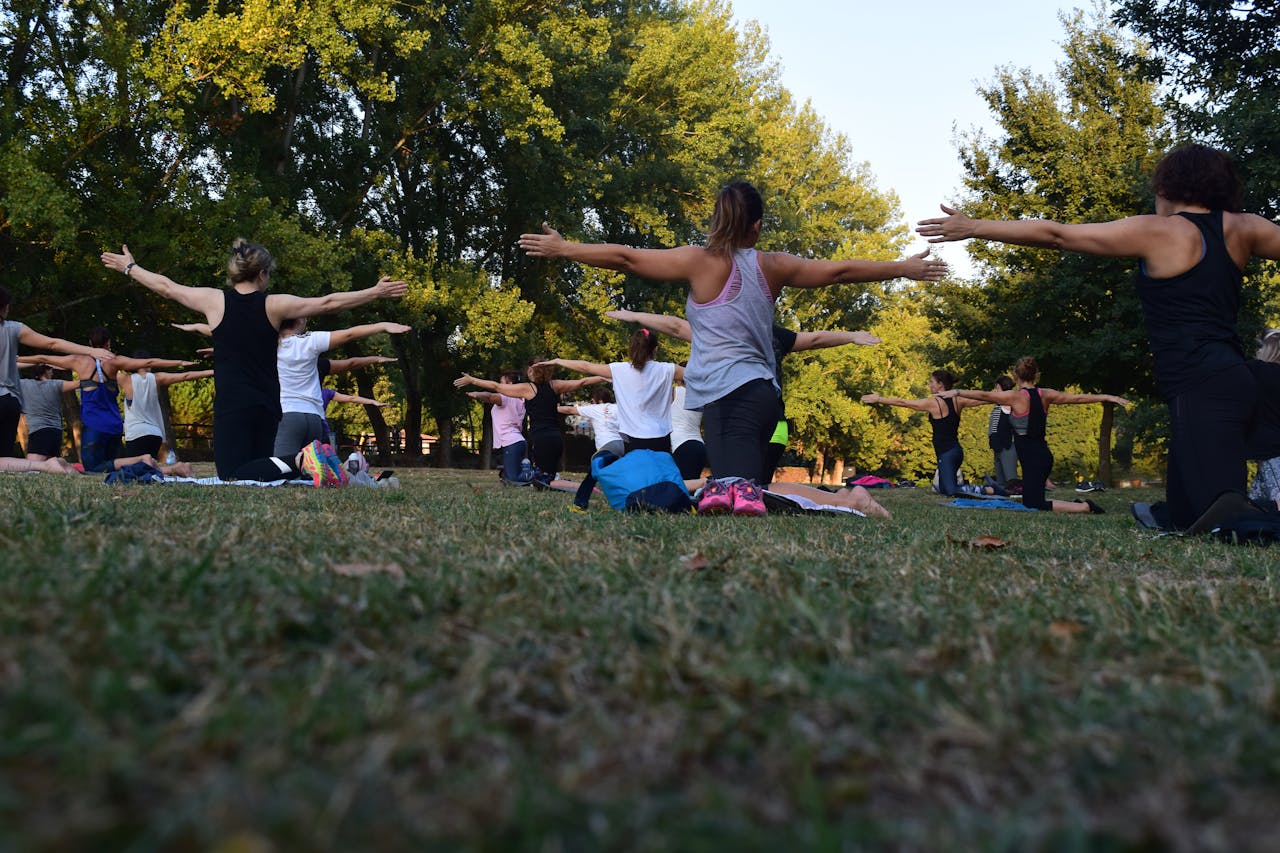
Most people do not need a longevity clinic, a psychedelic guide, a hormone stack or a freezer full of pre-portioned metabolic destiny. They need consistent movement, adequate protein, enough sleep, fewer ultra-processed foods, sunlight, social connection and a training plan they can follow without needing a second career in data analysis. The basics are not glamorous, which is precisely why the market keeps trying to repackage them.
The danger of the new fitness religion is not that it contains no truth. It contains many truths. The danger is that it buries them under performance anxiety, identity politics and the endless suggestion that ordinary human health is somehow insufficient. It tells people they are not tired because they work too much, sleep too little and live under chronic stress. They are tired because their protocol lacks precision.
The Human Body Is Not a Failed Machine
The body is adaptable, but it is not infinitely upgradeable. It responds beautifully to training, food, rest and care. It also resists being treated as a machine built only for output. That is the central mistake of the superhuman mindset. It forgets that human limits are not merely obstacles. They are part of the system that keeps us alive.
Fitness should make people stronger, freer and more capable. It should not become a religion of permanent inadequacy. The goal is not to become a flawless operating system with visible abs and optimized neurotransmitters. The goal is to live in a body that supports a meaningful life. Sometimes that requires discipline. Sometimes it requires restraint. And sometimes it requires the almost radical realization that being healthy, strong and human is already enough.