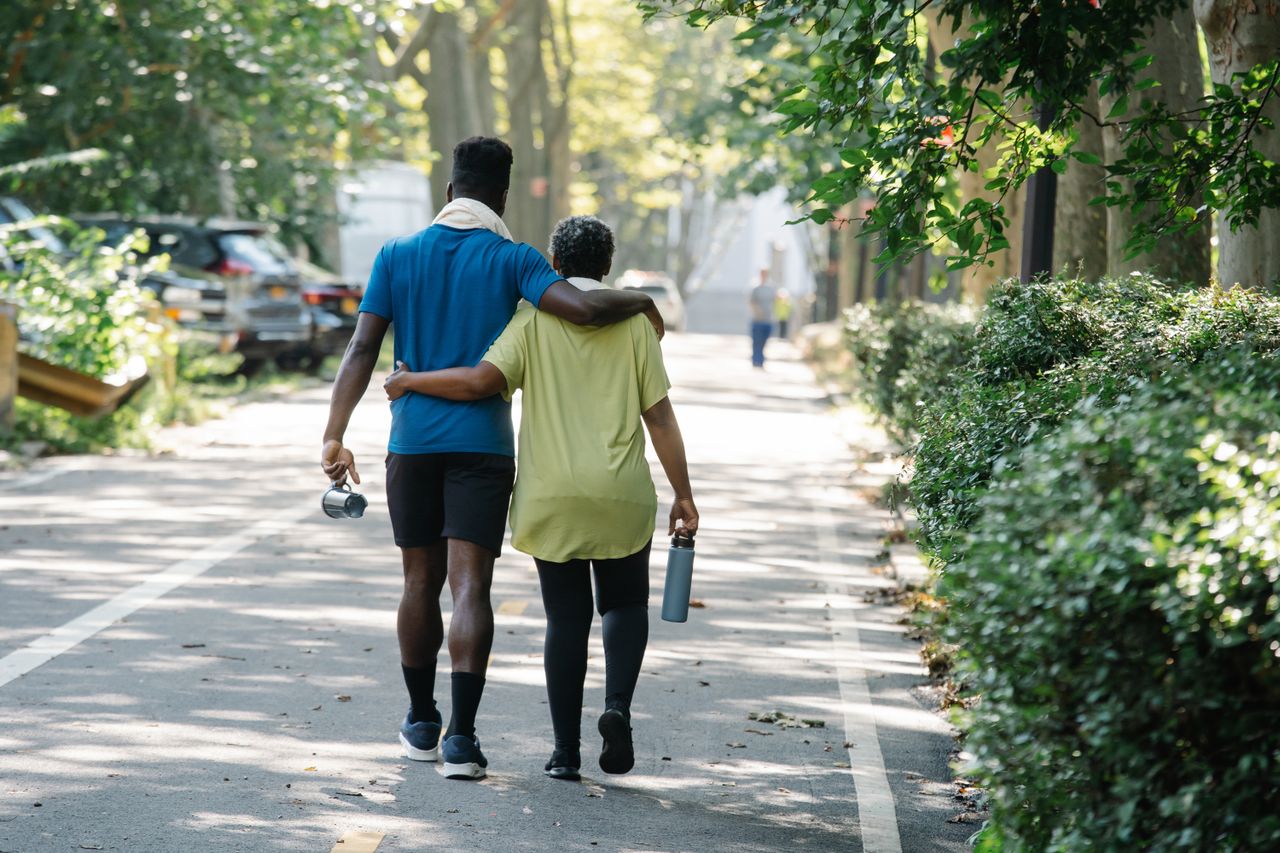
Ask someone how healthy they are and they may tell you their weight, blood pressure or cholesterol level. Ask them whether they can carry two bags of groceries up a flight of stairs, get up from the floor without assistance or stand on one leg without immediately reaching for support, and the conversation becomes very different.
These ordinary tasks reveal something that medical numbers alone cannot: how well the body functions in everyday life. Strength, balance, mobility and cardiovascular capacity influence whether people remain independent as they grow older. Exercise therefore belongs in a much broader health conversation than simply losing weight, building muscle or improving athletic performance. For tomorrow’s healthcare professionals, understanding what physical capacity means in real life will become increasingly important.
The staircase can reveal what the scale cannot
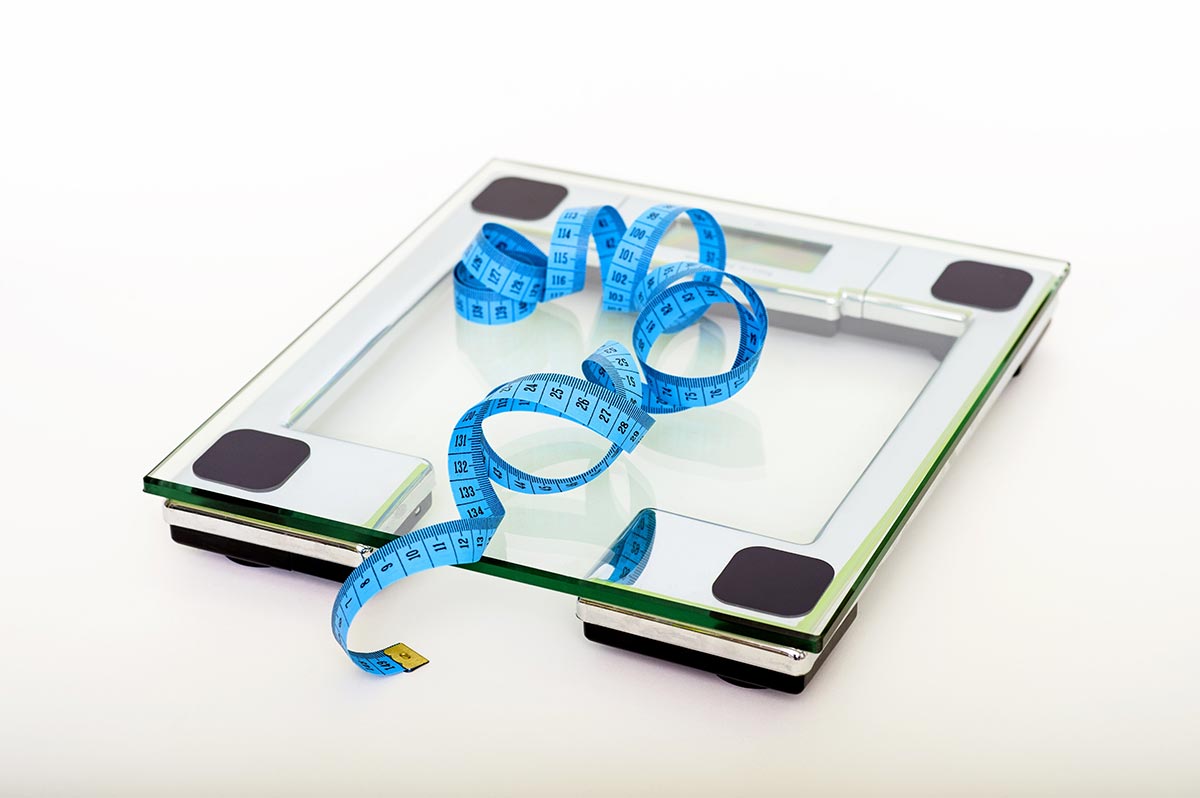
Body weight is easy to measure, which is one reason it dominates so many conversations about health. Functional capacity is more difficult to summarize with a single number. Two people of the same age and weight may have dramatically different abilities. One may climb several flights of stairs, carry shopping bags and get down on the floor without thinking about it. The other may avoid stairs, struggle to rise from a low chair and gradually organize daily life around physical limitations.
Those differences matter because independence depends on having enough physical reserve to perform ordinary tasks. Walking speed, leg strength, balance and endurance may not attract the same attention as body weight, but they directly influence how people experience everyday life.
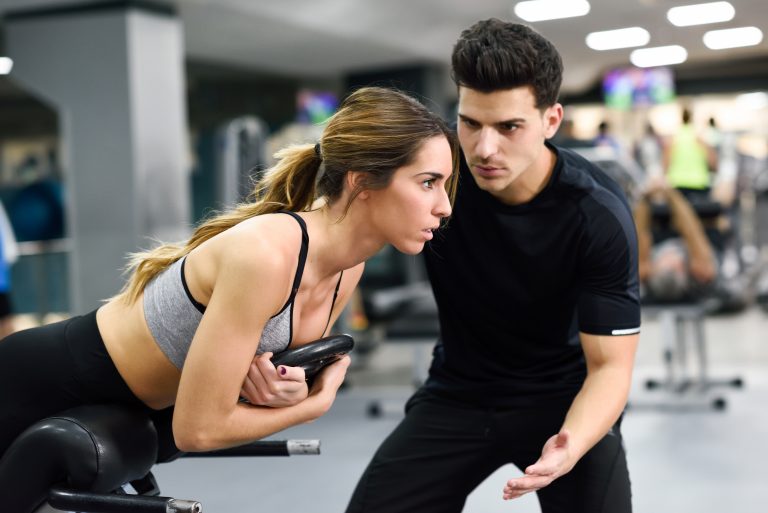
This is why exercise should not be viewed only through the lens of appearance. Training that improves the ability to stand up, climb stairs or recover balance can have practical consequences that extend far beyond the gym.
We notice muscle when we start losing it
Muscle is easy to associate with bodybuilding because visible muscular development dominates fitness culture. But most people do not need large muscles. They need enough muscle and strength to perform the tasks their lives demand.
This becomes increasingly obvious with age. Carrying groceries, lifting a suitcase, getting out of a bathtub or rising from the floor all require strength. When physical capacity declines gradually, people often compensate without realizing it. They use the handrail more frequently, choose the elevator, carry lighter bags or stop doing activities that have become difficult.
Strength training can help preserve the physical reserve required for these tasks. As discussed in our article Strength Over Sweat, resistance exercise has implications that go well beyond building visible muscle. Strength becomes especially valuable when the goal is not setting a gym record but maintaining the ability to live independently.
“Take it easy” is not always good advice
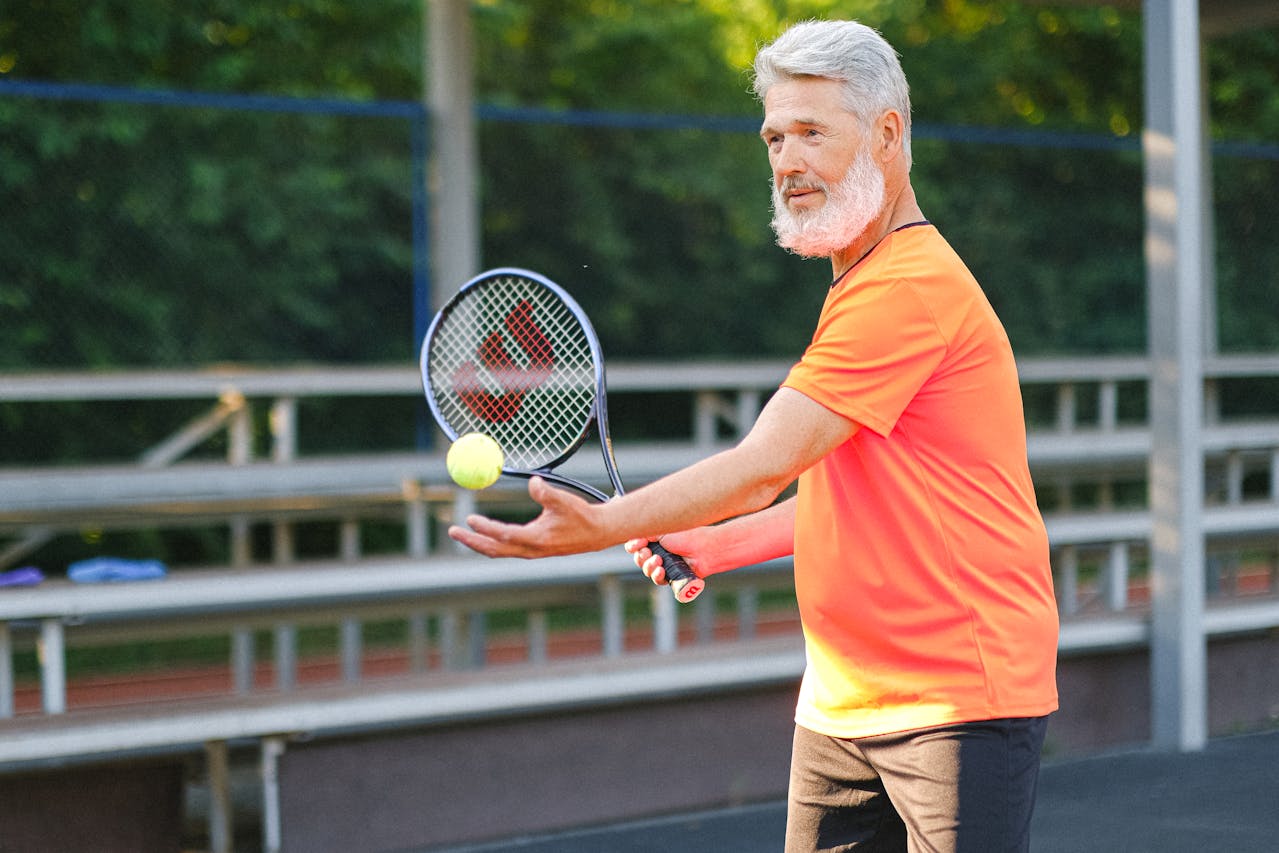
Older adults have traditionally been encouraged to slow down. Sometimes that advice is appropriate, particularly during illness or recovery. But treating age itself as a reason to avoid physical challenge can create another problem: the body adapts to what we ask it to do, and it also adapts to what we stop asking it to do.
Muscles that are rarely challenged become weaker. Balance skills that are never practiced deteriorate. Cardiovascular capacity declines when everyday life demands little more than walking from the house to the car. The resulting loss of function can then make physical activity feel increasingly difficult, encouraging even more inactivity.
The National Institute on Aging explains the importance of aerobic, muscle-strengthening and balance exercise for older adults. The practical message is important: healthy aging is not simply about avoiding excessive physical stress. It is also about maintaining enough physical challenge to preserve capacity.
A hospital bed can change the meaning of fitness
Fitness is often discussed when people are healthy enough to choose how they want to exercise. Illness changes the perspective. A period of hospitalization, surgery or prolonged inactivity can suddenly make ordinary physical abilities much more valuable.
Someone who previously considered walking unremarkable may discover how significant it is after spending days in bed. Standing up independently, walking to the bathroom or climbing the stairs at home can become meaningful milestones. At that point, strength and endurance are no longer abstract fitness qualities. They directly affect recovery and independence.
This is one reason healthcare professionals benefit from understanding physical function. The question is not whether nurses or other clinicians should become personal trainers. They should not. But appreciating the consequences of inactivity, muscle loss and declining mobility can change how healthcare professionals think about prevention, recovery and long-term patient health.
Exercise recommendations have to survive real life
Telling someone to exercise is easy. Helping that person make exercise part of everyday life is much harder. A recommendation to perform 150 minutes of activity each week may be scientifically sensible, but it still leaves the individual with practical questions. What activity should I choose? How hard should I exercise? What if I have knee pain? What if I have never used a gym? Is walking enough? Should I lift weights?
These questions become even more important when chronic disease is involved. Someone with hypertension may worry about exercising intensely. A person with arthritis may associate movement with pain. An older adult who has fallen may deliberately avoid challenging their balance because they are afraid of falling again.
Effective healthcare advice therefore has to consider behavior as well as biology. A theoretically perfect recommendation that someone cannot or will not follow has little practical value. Sometimes the most useful starting point is modest: a daily walk, a few carefully selected resistance exercises or repeated practice standing from a chair. The program can become more demanding as confidence and capacity improve.
The gym is not the only place where fitness matters
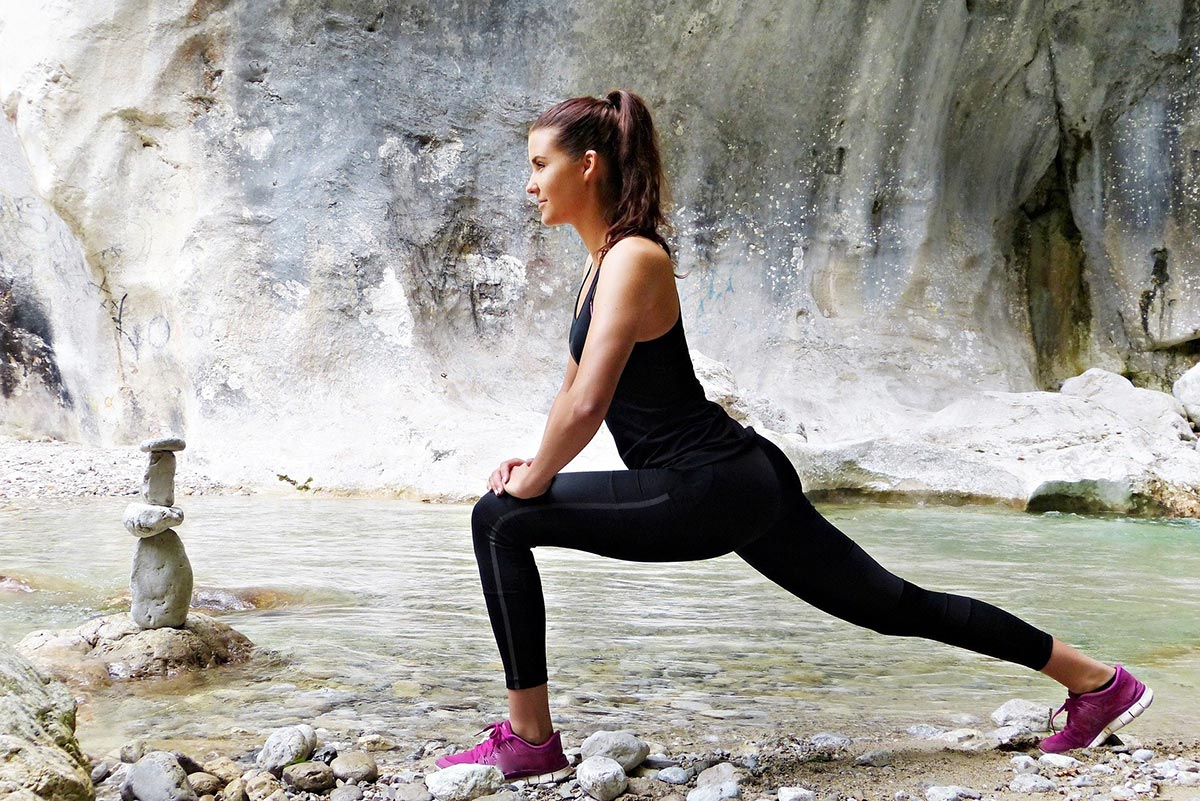
We tend to imagine exercise taking place in gyms, swimming pools, running tracks or fitness studios. Physical capacity, however, is used everywhere. It determines whether someone can carry laundry upstairs, play with grandchildren, work in the garden, travel comfortably or continue living independently.
This broader definition changes the meaning of fitness. The goal does not always have to be running faster or lifting heavier weights. For an older adult, improving leg strength may mean being able to climb the stairs without pulling on the handrail. Better balance may mean feeling confident enough to walk outdoors. Greater endurance may make it possible to spend an afternoon in town without repeatedly looking for somewhere to sit.
These are not secondary benefits of exercise. For many people, they are the benefits that matter most.
Healthcare education has to meet the population we actually have
Healthcare professionals increasingly care for people living for many years with chronic conditions while also experiencing age-related changes in strength, mobility and physical capacity. Understanding disease remains fundamental, but modern healthcare also has to consider what patients can physically do and how that ability influences independence and quality of life.
The implications reach healthcare education as well. People entering nursing today will increasingly care for patients whose health is shaped not only by acute illness but by years of physical inactivity, chronic disease and declining function. For career changers who already hold a degree in another field, accelerated bachelor's in nursing programs provide one route into professional nursing. Cleveland State University’s accelerated BSN, for example, combines online academic coursework with laboratory training, campus residencies and extensive clinical experience designed to prepare graduates for patient care.
Understanding exercise does not mean that every nurse needs to design training programs. It means recognizing physical activity, mobility and functional capacity as meaningful parts of health. A patient’s ability to move safely, maintain strength and remain active can influence recovery, independence and long-term well-being.
Prevention is easier before independence disappears
One of the difficulties with declining physical capacity is that the consequences often become obvious only after substantial function has already been lost. Someone does not suddenly wake up unable to climb stairs. The change may develop gradually over years as activity decreases, strength declines and increasingly difficult tasks are quietly removed from daily life.
Prevention therefore means paying attention earlier. A person who notices that getting up from the floor has become harder does not need to wait until they can no longer do it. Someone becoming less confident on stairs can work on strength and balance before avoiding stairs entirely. An adult who becomes breathless after a short walk can gradually rebuild cardiovascular capacity rather than accepting the decline as an inevitable part of getting older.
Healthcare and fitness approach these problems from different directions, but they ultimately encounter the same person. Healthcare professionals can identify medical conditions, evaluate symptoms and assess clinical risk. Fitness professionals can help people progressively develop strength, endurance, balance and confidence. Neither profession needs to replace the other.
Tomorrow’s healthcare will increasingly deal with an aging population for whom living longer is only part of the challenge. The more important question will often be how well those additional years can be lived. Exercise cannot prevent every disease or eliminate every consequence of aging, but maintaining the physical ability to stand, walk, lift, balance and move confidently can profoundly influence everyday life.
That makes fitness more than a recreational interest. At its most useful, it is part of preserving the capacity to keep participating in life.
Sources
Centers for Disease Control and Prevention (CDC): Physical Activity Benefits for Adults 65 or Older
Centers for Disease Control and Prevention (CDC): Older Adult Activity: An Overview
Centers for Disease Control and Prevention (CDC): Benefits of Physical Activity
National Institute on Aging (NIA): Three Types of Exercise Can Improve Your Health and Physical Ability
Cleveland State University: Online Accelerated Bachelor of Science in Nursing