A New Fitness Reality Nobody Asked For
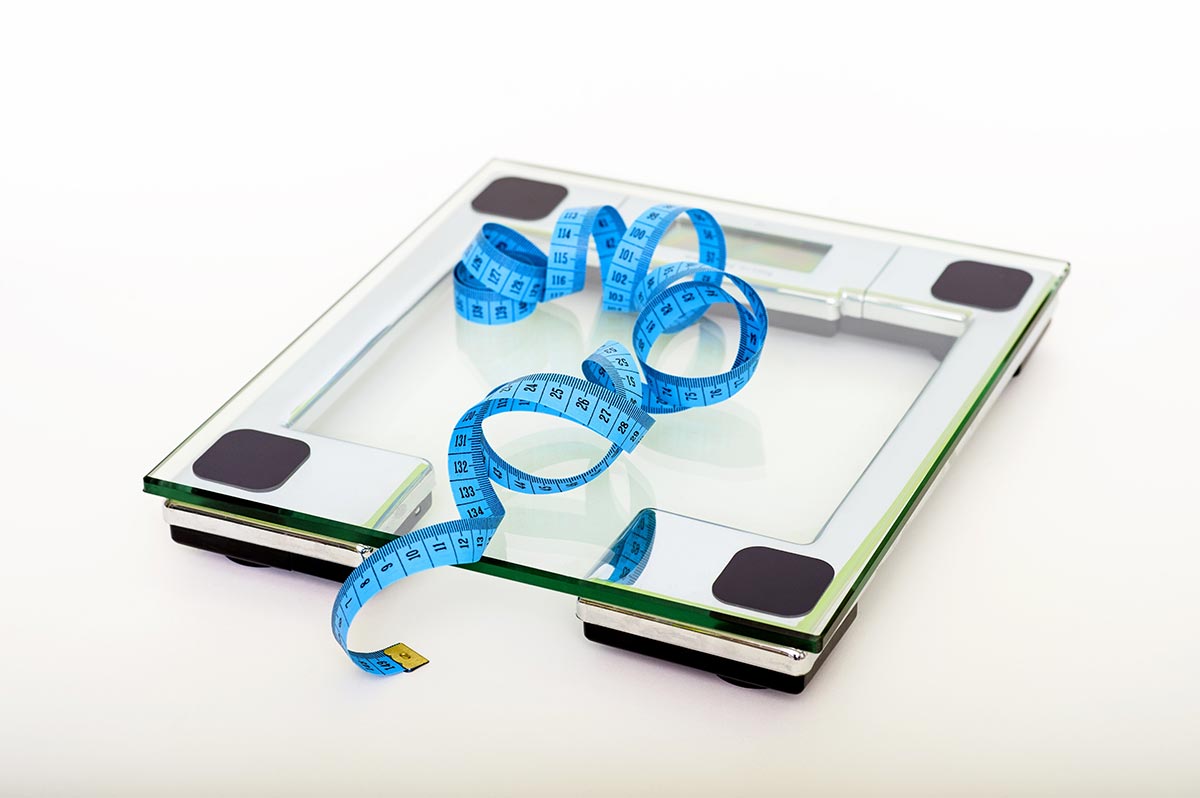
Walk into any upscale gym in the United States right now and you’ll hear it between sets, somewhere between protein shakes and overpriced cold brew: “I’m on Ozempic.” GLP-1 drugs like Ozempic and Wegovy have quietly rewritten the rules of weight loss, and the fitness industry is still catching up. What used to take months of disciplined dieting and training now happens pharmacologically. But here’s the uncomfortable truth: losing weight is not the same as getting fit. And that’s exactly where the concept of “Ozempic Workouts” begins to make sense.
What GLP-1 Drugs Actually Do
GLP-1 receptor agonists fundamentally change how the body regulates hunger and metabolism. They reduce appetite, slow digestion, and stabilize blood sugar levels, which leads to a significantly lower calorie intake without the constant mental battle of dieting. For many Americans dealing with obesity or metabolic disorders, this shift can feel almost effortless—and in many cases, life-changing. However, this convenience comes with a critical downside: the body does not selectively burn fat. Without proper training, lean muscle mass declines alongside body weight. This is exactly why understanding how to train smart on GLP-1 weight loss drugs becomes essential if long-term metabolic health and physical strength are the goal.
Metabolic Adaptation & Strength Preservation
Weight loss—whether drug-induced or not—comes with metabolic adaptation. The body becomes more efficient, burns fewer calories, and defends its new weight. Combine that with reduced caloric intake from GLP-1 drugs, and you have the perfect setup for muscle loss. Studies suggest that up to 20–40% of weight lost on GLP-1 therapies can come from lean mass. That’s not just a cosmetic issue. Muscle is metabolically active tissue. Lose it, and you reduce your resting energy expenditure, your strength, and your long-term ability to maintain weight loss.
This is where resistance training becomes non-negotiable. Not optional. Not “nice to have.” Essential. Strength training sends a clear signal to the body: keep the muscle. Without it, the body assumes that lean mass is expendable in times of caloric restriction.
The Table Nobody Shows You
| Factor | Without Training | With Strength Training |
|---|---|---|
| Weight Loss | Rapid | Slightly Slower |
| Muscle Mass | Significant Loss | Preserved |
| Metabolism | Decreases Strongly | Better Maintained |
| Long-term Success | Low | Higher |
Mindset & Psychological Shift
There is another layer nobody likes to talk about: psychology. GLP-1 drugs remove hunger, but they don’t automatically create discipline. If anything, they can disconnect people from their natural hunger cues. That can be helpful—but also dangerous if it leads to passive behavior. Fitness has always been about agency. Effort. Decision-making. When weight loss becomes pharmacological, training risks becoming optional in people’s minds.
And that’s where the shift needs to happen. Training is no longer about burning calories. It’s about preserving identity. Strength. Capability. If you rely on a drug to control weight, your workouts must serve a different purpose: building a body that can function, not just one that weighs less.
Supplements, Sleep & Recovery
If appetite is suppressed, nutrient intake often drops as well. That creates a secondary problem: micronutrient deficiencies. Protein intake in particular becomes critical. Aim for at least 1.6–2.2 grams per kilogram of body weight. Creatine supplementation can help preserve strength and cognitive function. Magnesium supports recovery and sleep quality. Electrolytes become more important as eating frequency drops.
Sleep is the silent partner here. Poor sleep increases cortisol, reduces muscle retention, and impairs recovery. GLP-1 users who neglect sleep are essentially sabotaging the one thing they’re trying to preserve: metabolic health.
The American Contradiction
There is something uniquely American about this entire situation. A country that debates vaccines, questions public health authorities, and distrusts medical science suddenly embraces weekly injections for weight loss with almost religious enthusiasm. The same influencers who warned about “chemicals” now promote GLP-1 transformations. The irony writes itself.
Meanwhile, the underlying issues remain untouched: sedentary lifestyles, processed food environments, chronic stress. GLP-1 drugs don’t fix those. They bypass them. And that’s the risk. Because when the medication stops, the environment is still there.
What an Ozempic Workout Actually Looks Like
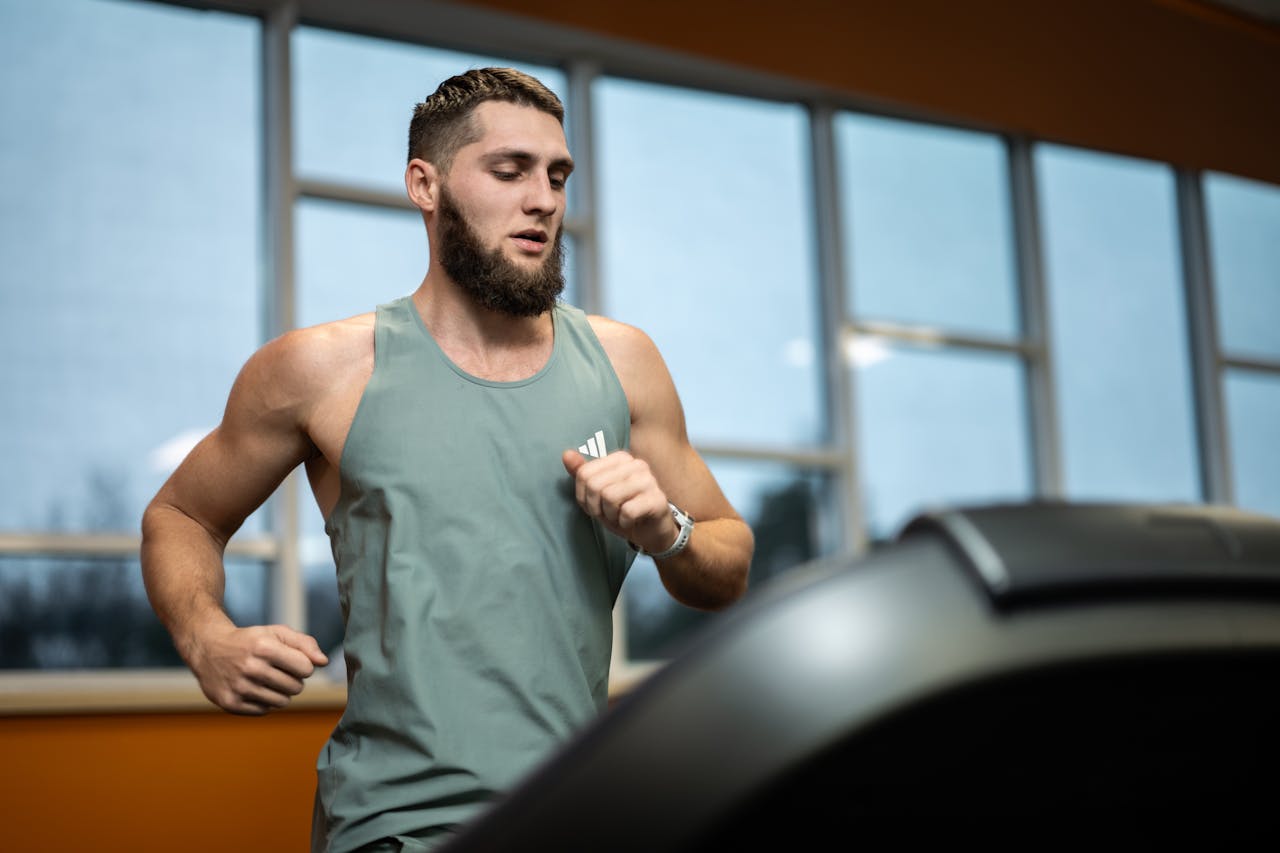
An effective training approach on GLP-1 medication is not extreme. It’s structured. Three to four strength sessions per week focusing on compound movements: squats, deadlifts, presses, pulls. Add two moderate cardio sessions for cardiovascular health. Keep intensity high enough to stimulate muscle, but volume controlled to avoid excessive fatigue under reduced caloric intake.
The goal is simple: send the signal to keep muscle, maintain metabolic rate, and build a body that can outlast the medication.
The Real Question
GLP-1 drugs are not the enemy. For many, they are a medical breakthrough. But they are not a substitute for fitness. They are a tool—and like any tool, their outcome depends on how they are used. The real question isn’t whether Ozempic works. It clearly does. The question is whether the people using it are building a body that will still function when they stop.
Because at the end of the day, weight loss is temporary. Muscle, strength, and habits are what remain. And those still have to be trained.
Sources
1. Lean mass loss during GLP-1 therapy. PMC. 2. Effects of weight loss on skeletal muscle. The Lancet Diabetes & Endocrinology. 3. Metabolic adaptation to weight loss. ResearchGate. 4. Sleep restriction and metabolic health. Wiley Online Library.