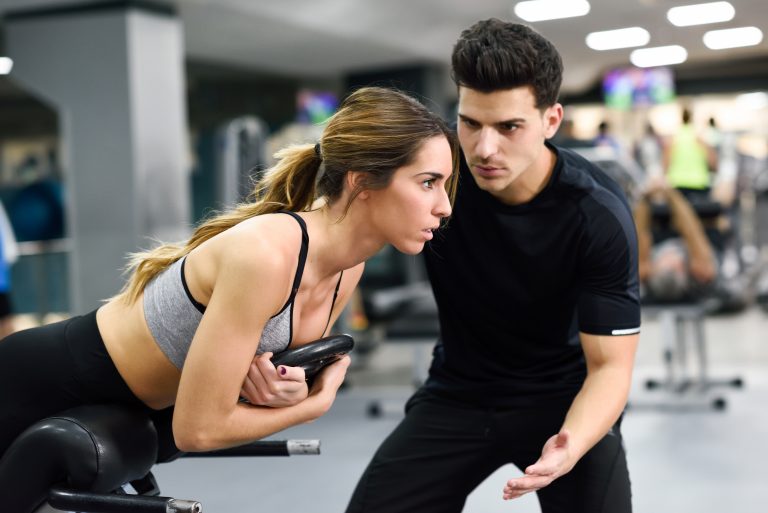
In the United States, cannabis has quietly slipped into the fitness conversation not as a rebellious substance, but as a wellness accessory. It appears in gym lockers, recovery routines, yoga studios and endurance communities, often framed as a natural answer to pain, stress and overtraining. This shift did not happen overnight, and it did not happen in a vacuum. It reflects a broader American search for recovery shortcuts in a system that values performance, productivity and rapid fixes over patience and long-term health. Cannabis, especially in its wellness-friendly narrative, has become part of that search.
How Cannabis Entered American Fitness Culture
Unlike in many European countries, fitness in the U.S. is not merely about health or prevention. It is identity, ambition and self-optimization rolled into one. From CrossFit boxes to marathon training plans, the language of American fitness is deeply intertwined with performance metrics and recovery strategies.
As cannabis legalization expanded at the state level, the plant was quickly reframed. It was no longer primarily associated with counterculture, but with balance, mindfulness and holistic living. In that context, cannabis recovery narratives found fertile ground, especially among athletes looking for alternatives to pharmaceuticals.
This reframing coincided with a growing skepticism toward prescription medication. Decades of aggressive pharmaceutical marketing, particularly around pain management, left many Americans wary of pills. Against that backdrop, cannabis began to look like a gentler option, something organic and controllable. Fitness influencers, wellness brands and boutique dispensaries amplified this message, often blurring the line between evidence-based recovery and lifestyle storytelling.
Cannabis and Fitness: Feeling Better vs. Performing Better
A central claim in cannabis and fitness discussions is that it makes training feel easier. Runners describe longer, more relaxed sessions. Weightlifters talk about improved mind-muscle connection. Yogis emphasize deeper focus and reduced anxiety. These experiences are real in the sense that they are genuinely felt. But the crucial question for athletes is whether those sensations translate into measurable improvements in performance.
Current research suggests a clear distinction between subjective experience and objective outcomes. While some users report reduced perceived exertion, studies generally fail to show improvements in strength, endurance or aerobic capacity when THC is involved. In some cases, performance markers decline slightly, particularly at higher intensities.
The workout may feel smoother, but the stopwatch and heart-rate monitor tell a different story. This gap between perception and performance is one of the most persistent myths in cannabis recovery culture.
THC, Exercise and the Limits of “Natural” Enhancement
THC, the psychoactive compound in cannabis, is often framed as a mental aid for training. It can reduce anxiety, alter pain perception and shift focus inward. For recreational athletes, this may lower the psychological barrier to exercise, especially for those who struggle with motivation or stress. However, THC also impairs coordination, reaction time and decision-making. In a controlled gym environment, these effects may be subtle. In outdoor sports, traffic-heavy running routes or technical trail settings, they can become safety risks.
Physiologically, THC increases heart rate and can elevate blood pressure. Combined with intense exercise, this places additional strain on the cardiovascular system without delivering proportional performance benefits. The idea of THC as a performance enhancer collapses under closer examination. It may change how effort feels, but it does not reliably improve how the body adapts to training stress.
CBD and the Recovery Promise
CBD occupies a very different position in the fitness recovery narrative. Non-intoxicating and widely marketed as anti-inflammatory, CBD products are often presented as ideal for athletes. Creams, oils and capsules promise faster recovery, better sleep and reduced soreness. Unlike THC, CBD does not impair cognitive or motor function, which makes it more appealing for post-workout use.
The scientific evidence, however, remains mixed. While CBD shows anti-inflammatory potential in laboratory settings, large-scale human studies in athletic populations are limited. Some athletes report improved sleep quality and reduced discomfort, but consistent performance-related benefits have yet to be firmly established. The CBD recovery trend reflects a broader issue in American wellness culture: commercial enthusiasm often runs ahead of robust evidence.
Runner’s High and the Body’s Own Cannabinoids
One irony rarely mentioned in the cannabis-and-fitness debate is that endurance training already triggers the body’s own cannabinoid system. The runner’s high isn’t just about endorphins. During sustained aerobic exercise, the body releases naturally occurring cannabinoids that affect mood, pain perception, and emotional state. That biochemical response is one reason long-distance runners often describe a sense of calm, focus, and even mild euphoria—without having consumed anything at all.
This raises an important question: if the body naturally produces these compounds during training, what is gained by adding external cannabinoids? For many athletes, consistent training alone provides the mental clarity and emotional uplift they seek from cannabis. The runner’s high represents an internal recovery and reward mechanism that does not compromise coordination, safety or long-term adaptation.
Pain Management and the American Context
The popularity of cannabis recovery in U.S. fitness culture cannot be separated from America’s broader approach to pain. For decades, prescription painkillers were used liberally in sports and everyday medicine. This history shaped a mindset in which discomfort is treated as a problem to be eliminated rather than a signal to be interpreted. In that environment, cannabis is often positioned as a safer alternative, a way to manage pain without returning to prescription opioids.
This framing explains much of cannabis’ appeal, but it also carries risks. Replacing one shortcut with another does not automatically foster healthier training habits. Pain is a complex physiological and psychological phenomenon, and masking it, even with a plant-based substance, can lead to overuse injuries and delayed recovery if underlying issues are ignored.
Influencers, Wellness Marketing and Recovery Myths
American fitness media thrives on personal stories. Influencers share routines, supplements and recovery rituals that appear relatable and aspirational. Cannabis fits seamlessly into this ecosystem. A joint after a long run or CBD drops before bed are visually compelling symbols of balance and self-care. What is often missing is context: dosage, frequency, individual tolerance and long-term consequences.
The result is a simplified narrative in which cannabis recovery is presented as universally beneficial. This narrative rarely acknowledges that responses vary widely or that many perceived benefits overlap with placebo effects, improved sleep hygiene or reduced training volume. In a culture that prizes quick solutions, nuance tends to disappear.
What Athletes Should Actually Take Away
Cannabis is neither a miracle recovery tool nor an inherent threat to fitness. Its role depends on context, intent and individual physiology. For some recreational athletes, it may reduce anxiety or make movement feel more enjoyable. For performance-focused individuals, the evidence does not support meaningful gains and highlights potential drawbacks. The key distinction lies between feeling better during a workout and becoming fitter over time.
Effective recovery still rests on fundamentals: adequate sleep, intelligent training load management, nutrition and, when needed, professional guidance. Cannabis may alter perception, but it does not replace these pillars. Understanding this difference is essential for athletes navigating an increasingly commercialized recovery landscape.
Looking Ahead: From Cannabis to the Bigger Picture
To understand why cannabis has been embraced so enthusiastically in American fitness culture, it is necessary to look beyond the plant itself. It is part of a broader story about pain, performance and the desire for shortcuts. That story did not begin with legalization or wellness branding. It was shaped by earlier practices in sports and medicine that prioritized immediate relief over long-term resilience.
Examining what came before helps clarify what cannabis can and cannot offer today. The conversation around fitness recovery in the U.S. is not just about substances, but about cultural expectations and systemic habits. Cannabis may be framed as natural, but its role in fitness reflects the same underlying question: how much discomfort are we willing to tolerate in the pursuit of progress?
Sources: Bidwell LC et al. “Cannabis use and exercise behavior.” Mental Health and Physical Activity, 2019. Papanastasiou G et al. “Acute effects of cannabis on exercise performance.” Sports Medicine Open, 2024. Fuss J et al. “A runner’s high depends on cannabinoid receptors.” PNAS, 2015. Huestis M. “Human Cannabinoid Pharmacokinetics.” Chemical Biodiversity, 2007.