LONGEVITY UNDER THE MICROSCOPE
Losing excess body fat can improve health. Losing muscle at the same time is a very different story — especially once we enter midlife.
When Did Losing Weight Become the Same Thing as Getting Healthier?
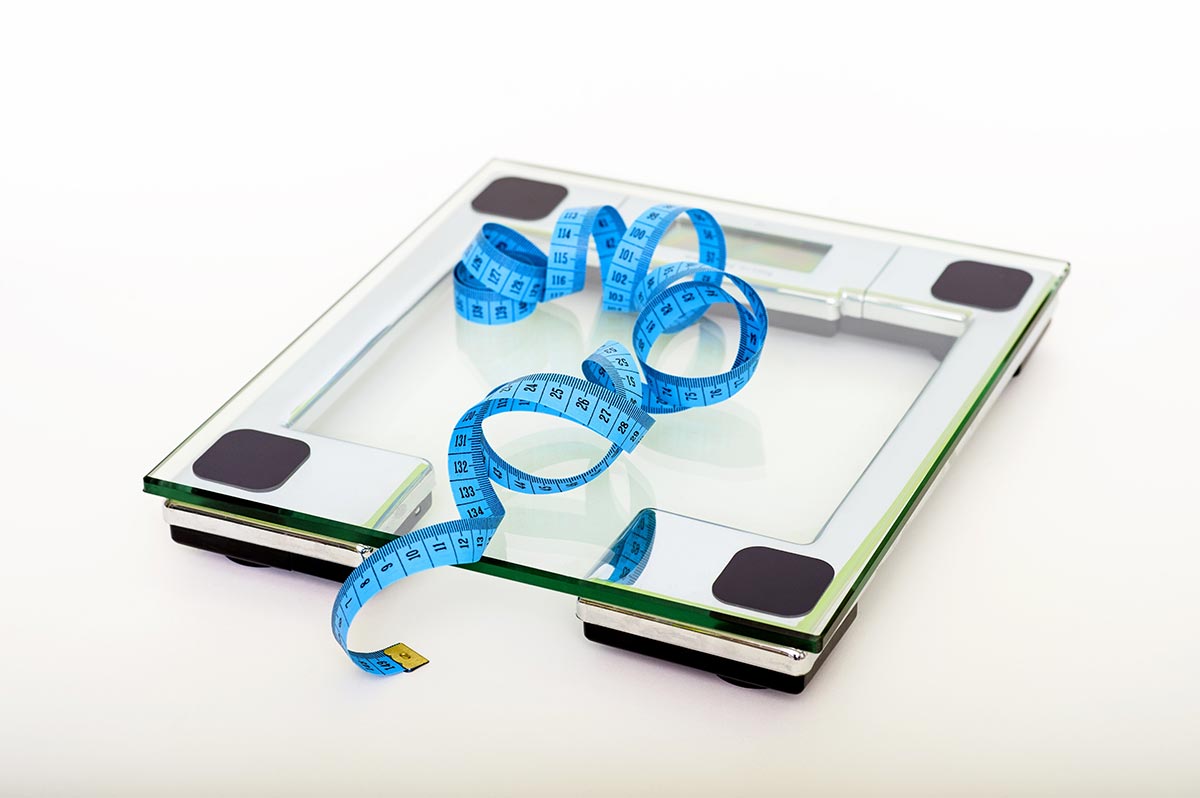
We celebrate weight loss with remarkably little curiosity. Ten pounds gone? Success. Twenty pounds? Even better. A dramatically smaller number on the bathroom scale is still treated as if it were a direct measurement of improved health. But the scale has one serious limitation: it cannot tell whether those missing pounds came from fat, muscle, water or other lean tissue. That distinction becomes increasingly important as we age. Losing excess visceral fat may improve metabolic health. Unnecessarily losing muscle can reduce precisely the physical reserve we are trying to preserve for later life. The same number on the scale can therefore describe two very different biological outcomes.
GLP-1 Didn't Create the Problem
The arrival of GLP-1-based weight-loss drugs has brought muscle loss into public discussion because these medications can produce unusually large reductions in body weight. But blaming GLP-1 drugs alone misses the bigger point. Lean tissue is commonly lost during substantial weight reduction whether the calorie deficit is produced by medication, dieting or other interventions. A 2026 meta-analysis of 20 randomized trials involving 15,782 participants found that lean mass represented roughly 25 to 39 percent of weight lost with incretin therapies. Lifestyle weight loss showed a broadly comparable proportional loss of lean mass. The problem is therefore not simply Ozempic, Wegovy or Mounjaro. It is weight loss without enough attention to what is being lost.
After Midlife, the Equation Changes
There is no birthday on which muscle suddenly begins disappearing. Aging does not work like a software subscription that expires at 40. But through midlife and later adulthood, preserving muscle and strength becomes progressively more important. Age-related changes in muscle protein metabolism, physical activity, hormones and neuromuscular function gradually make maintaining physical reserve more difficult. Add an aggressive calorie deficit to that process and we may ask the body to surrender tissue that will become increasingly valuable over the following decades.
That's Not Anti-Aging. It Can Become Pro-Aging.
The anti-aging industry sells almost everything imaginable: supplements, peptides, cold plunges, red-light devices, biological-age tests and increasingly sophisticated medications. Yet there is something strange about pursuing longevity while casually sacrificing muscle. Muscle supports movement, glucose disposal, strength, balance and the ability to remain physically independent. If your anti-aging strategy unnecessarily removes part of the muscle reserve you will desperately need later in life, perhaps we should stop calling it anti-aging. It starts looking remarkably like pro-aging.
Muscle Is More Than Something You See in the Mirror
For decades, muscle was discussed primarily in the language of bodybuilding. That view is badly outdated. Skeletal muscle is a major site for glucose uptake and storage, contributes to metabolic regulation and provides the mechanical capacity required for ordinary life. Getting out of a chair, climbing stairs, carrying groceries, catching yourself after a stumble and getting up from the floor all require physical reserve. The importance of that reserve becomes obvious only when it begins to disappear. Unfortunately, waiting until then is a rather inefficient training strategy.
The Dangerous Combination: Less Muscle, More Fat
A particularly important problem in later life is sarcopenic obesity: excess body fat combined with low muscle mass, strength or function. Someone can remain overweight while simultaneously becoming physically weaker. BMI may barely notice the transition because it cannot distinguish fat from muscle. This is one reason modern obesity guidance for older adults increasingly emphasizes body composition, muscle function and fat distribution rather than body weight alone. The goal is not simply to make an older body smaller. It is to reduce harmful excess fat without unnecessarily dismantling the machinery that keeps the body functional.
Rapid Weight Loss Makes the Question More Urgent
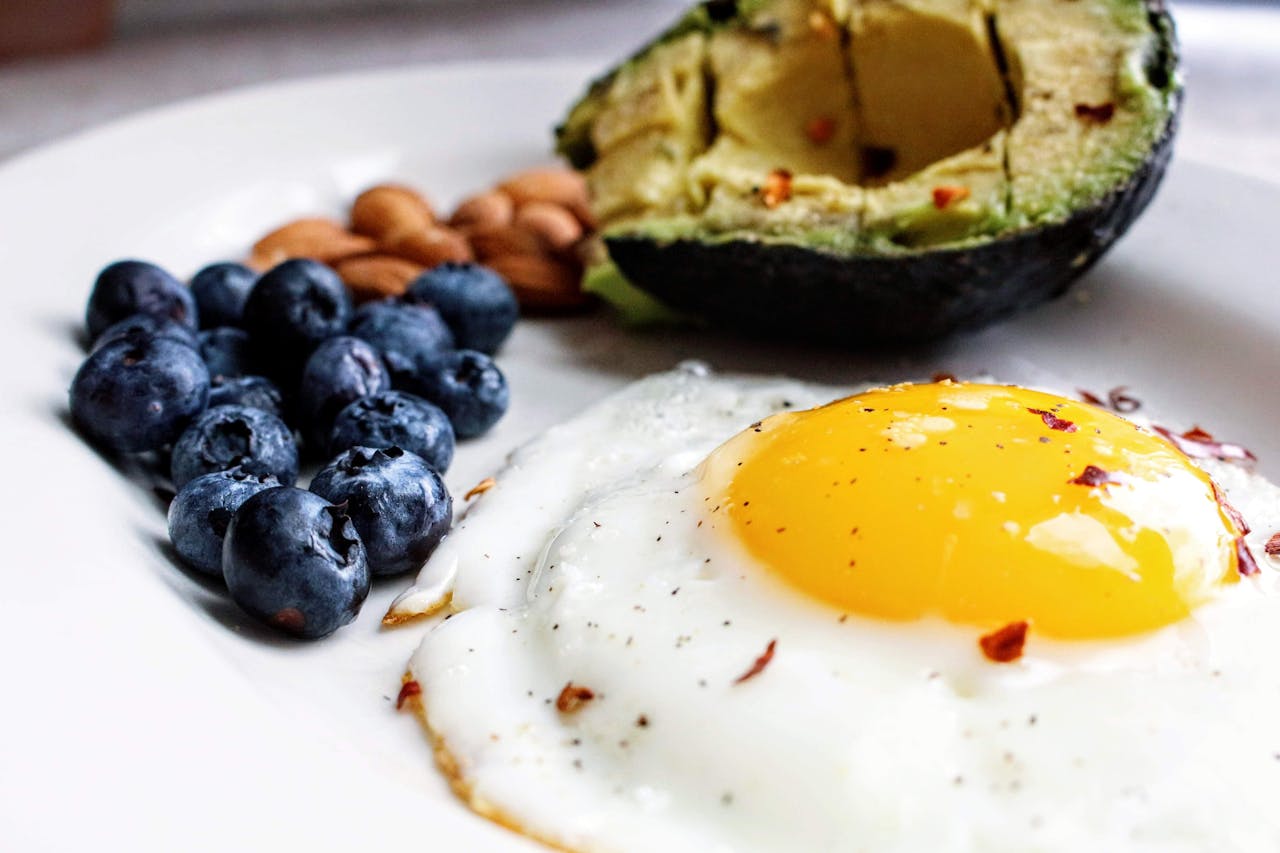
The faster and larger the weight loss, the more important it becomes to think about body composition. Modern obesity medications can suppress appetite so effectively that some people struggle to consume the amount of food they once considered normal. That is part of why the drugs work. But dramatically reduced food intake can also make adequate protein intake more difficult unless meals are chosen deliberately. Simply eating less of everything is excellent mathematics for lowering body weight. It is not necessarily optimal biology for preserving muscle.
Protein Helps — but Muscle Needs a Reason to Stay
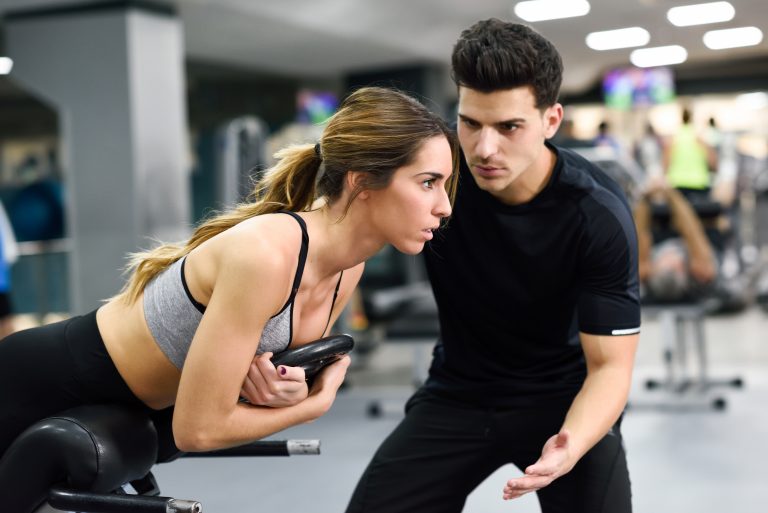
Adequate dietary protein supplies the amino acids required for muscle protein synthesis, and protein deserves particular attention during an energy deficit. But protein alone is not the entire answer. Muscle responds to demand. Resistance exercise tells the body that this tissue is still required. Research in older adults repeatedly points toward the combination of appropriate nutrition and resistance training as the more sensible strategy when weight loss is necessary. In one randomized trial of adults aged 55 to 80 with overweight or obesity, the group combining higher protein intake with resistance exercise was the only group that significantly increased fat-free mass during the weight-loss intervention.
Walking Is Excellent. It Is Not a Substitute for Strength Training.
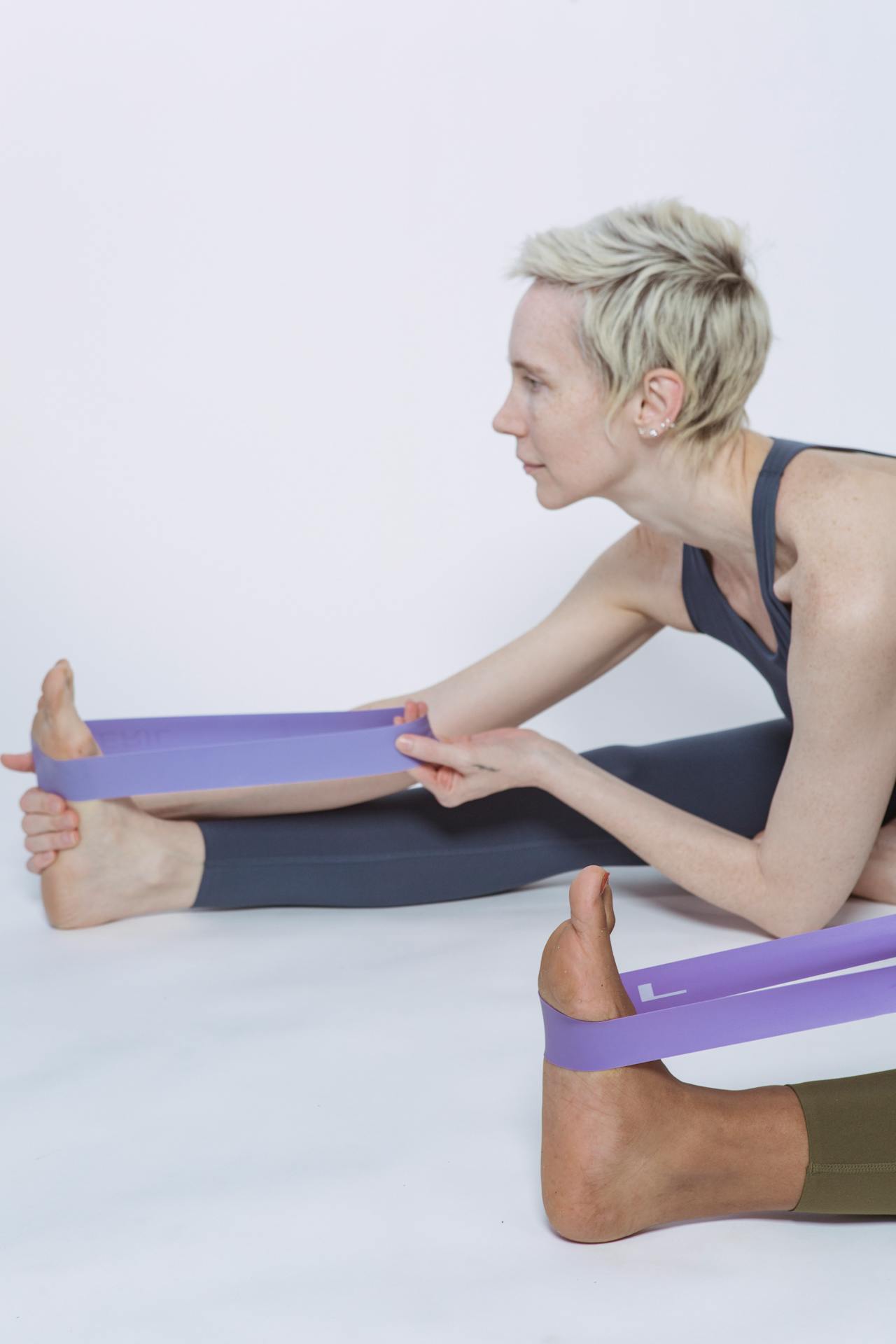
Walking deserves its excellent reputation. It supports cardiovascular health, increases daily energy expenditure and is accessible to almost everyone. But asking walking to preserve every aspect of muscle and strength is asking it to do a job it was never designed to do. Resistance training provides a different stimulus. Recent evidence in older adults with sarcopenic obesity shows that exercise — particularly resistance-based approaches — can improve muscle-related outcomes, strength and physical function while reducing body fat. You do not need to become a bodybuilder. You do need to give muscle a convincing reason not to leave.
The Scale Can Reward the Wrong Person
Imagine two people who each begin at 100 kilograms. One loses 15 kilograms rapidly but sacrifices a substantial amount of lean tissue. The other loses 10 kilograms, preserves nearly all functional muscle and achieves a large reduction in abdominal fat. Conventional diet culture congratulates the first person because 15 is larger than 10. Metabolism and healthy aging may have a different opinion. The second person could finish heavier but stronger, with a smaller waist and a more favorable body composition. This is why weight loss should increasingly be discussed in terms of quality, not merely quantity.
What Should You Watch Besides Your Weight?
You do not need a laboratory at home. Body weight remains useful for tracking trends, but add waist circumference. Pay attention to whether your strength is stable or improving. Can you still perform the same exercises with similar loads? Are stairs becoming easier rather than harder? Is your walking pace maintained? Blood pressure, glucose, HbA1c and blood lipids can reveal metabolic improvements that a mirror cannot. Where available, body-composition measurements can provide additional information, although none is perfect. A scale is a measurement tool. The mistake begins when we turn it into a health verdict.
The Older You Are, the Less Sense It Makes to Diet Like You're 25
A 25-year-old and a 65-year-old may both benefit from losing excess visceral fat, but they do not necessarily have identical priorities. With advancing age, muscle, bone and functional capacity deserve greater protection. Current European recommendations for obesity management in older adults explicitly emphasize moderate energy restriction, adequate protein, structured exercise and preservation of muscle mass and physical function. That is an important shift in thinking: success is no longer defined solely by making the number on the scale smaller.
What About People Using GLP-1 Drugs?
The message is not to avoid effective obesity treatment. For appropriate patients, reducing obesity can produce substantial health benefits, and GLP-1-based therapies have changed what is medically possible. The lesson is that major pharmacological weight loss should not make exercise and nutrition irrelevant. It makes them more relevant. If appetite is greatly reduced, protein-rich foods may need to receive greater priority. If body weight is falling rapidly, resistance training becomes a logical strategy for preserving function and lean tissue. And if someone is older, already weak or has low muscle mass, body composition and physical function deserve particular attention during treatment.
The Future Is “Better Weight Loss”
This is also why the next generation of obesity research is becoming so interesting. Scientists are now testing approaches designed not merely to reduce body weight but to preserve or even increase lean mass while fat disappears. That represents a fundamental change in the question medicine is asking. The old competition was: How much weight can we make someone lose? The better question may be: How much unhealthy fat can we remove while preserving the tissues that support metabolism, strength and independence?
Don't Become Lighter at the Expense of Becoming Older
Losing excess body fat can be one of the best things someone with obesity can do for long-term health. This is not an argument against weight loss. It is an argument against measuring success carelessly. Especially from midlife onward, the objective should be increasingly clear: reduce excess fat, particularly harmful abdominal fat, while protecting muscle, strength, bone and physical function.
The bathroom scale cannot tell you whether you are succeeding at that. It only knows gravity.
Healthy aging is not a competition to become as light as possible. Lose the fat you don't need. Fight to keep the muscle you will.
References
European Association for the Study of Obesity. Position Statement on the Diagnosis and Management of Obesity in Older Adults. Obesity Facts. 2026. | Lean Mass Changes With Incretin Therapy Versus Lifestyle Intervention: A Systematic Review and Meta-Analysis of Randomised Controlled Trials. 2026. | Verreijen AM et al. Effect of a High Protein Diet and/or Resistance Exercise on the Preservation of Fat Free Mass During Weight Loss in Overweight and Obese Older Adults: A Randomized Controlled Trial. Nutrition Journal. | Gong L et al. Effects of Exercise on Body Composition, Physical Function, and Metabolic Health in Older Adults With Sarcopenic Obesity: A Systematic Review and Meta-analysis. Maturitas. 2026.