LONGEVITY UNDER THE MICROSCOPE
The Longevity Intervention Hiding in Plain Sight
Longevity has become an industry built around molecules, supplements, biomarkers and experimental drugs. People compare NAD+ boosters, antioxidants, senolytics and medications that may one day influence biological aging. Yet one intervention already affects an extraordinary range of age-related health problems at the same time: physical activity. It is not new, exotic or particularly profitable to talk about. That may be precisely why it is underestimated. Regular movement is associated with lower rates of cardiovascular disease, hypertension, type 2 diabetes, several cancers, depression, functional decline and premature death. In older adults it also helps preserve balance, bone health and the ability to remain independent. No pill currently reproduces that entire package.
One Intervention, Many Diseases
Most medications are designed to solve a relatively specific problem. Exercise is different because it changes several physiological systems at once. The heart becomes more efficient. Blood vessels improve their function. Skeletal muscle becomes better at taking up glucose. Blood pressure can fall. Mitochondria adapt. Bone receives mechanical loading. Balance and coordination improve. The brain is exposed to changes in blood flow, metabolism and signaling molecules associated with cognitive health. This broad effect explains why public-health guidelines consistently place physical activity near the center of healthy aging. The World Health Organization lists benefits involving all-cause mortality, cardiovascular disease, hypertension, type 2 diabetes, several cancers, mental health, cognition, sleep and functional ability in older adults.
Heart Disease and Stroke: Movement Changes the Risk Profile
Cardiovascular disease remains one of the major threats to healthy aging, and movement influences many of its risk factors simultaneously. Regular aerobic activity can improve blood pressure, endothelial function, cardiorespiratory fitness and glucose regulation. It can also contribute to healthier body composition and lipid profiles. This does not mean exercise makes someone immune to heart disease or stroke, but physically active people consistently show lower cardiovascular mortality than inactive people. The important point is that exercise does not act through a single mechanism. It improves the entire environment in which cardiovascular disease develops.
Type 2 Diabetes: Muscle Becomes Part of the Treatment
The relationship between movement and glucose metabolism is particularly direct. Skeletal muscle is one of the body's largest destinations for glucose after meals. When muscles contract, they can increase glucose uptake even through pathways that do not depend entirely on insulin. Over time, both aerobic and resistance training can improve insulin sensitivity. That is why physical activity plays such an important role in preventing and managing type 2 diabetes. The effect becomes even more relevant with age, when muscle mass often declines and insulin resistance becomes more common. Preserving active muscle is therefore not only about looking stronger. It gives the body more metabolically useful tissue.
Cancer Risk Is Part of the Story Too
The relationship between exercise and cancer is more complex because cancer is not one disease. Nevertheless, higher levels of physical activity are consistently associated with lower risk of several cancer types, including breast, colorectal and endometrial cancer, with evidence extending to additional cancers as research develops. A large 2025 analysis using activity monitors in more than 85,000 adults found that those with the highest total daily activity had a substantially lower risk of developing a group of cancers previously linked with physical activity than those who were least active. Even light activity and higher daily step counts were associated with lower risk. That is an important message: not every beneficial movement has to happen inside a gym.
What About the Brain?
Cognitive decline is one of the most feared consequences of aging. Here too, regular physical activity is associated with better cognitive health and a lower risk of decline in observational research. Exercise may influence the brain through cardiovascular improvements, better glucose regulation, reduced chronic inflammation and changes in neurotrophic signaling. It would be misleading to promise that exercise prevents dementia in every individual. Genetics, vascular health and many other factors contribute. But when one behavior supports both cardiovascular and cognitive health at the same time, it becomes difficult to ignore.
Falls, Fractures and the Disease Nobody Calls a Disease
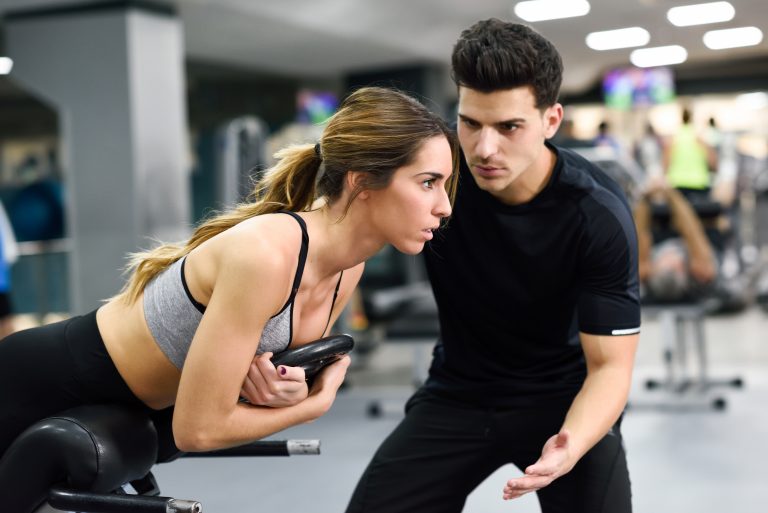
One of the biggest threats to independence in later life is not always diagnosed with a blood test. It is the gradual loss of strength, balance and physical reserve. A fall that would be a minor inconvenience at 35 can become life-changing at 80. Regular strength and balance training helps older adults preserve function and reduces the risk of falls and fall-related injuries. Weight-bearing activity also supports bone health. This is why current recommendations for people over 65 do not stop at aerobic exercise. They specifically include muscle-strengthening work and activities that challenge balance. Longevity is not just about avoiding disease. It is about still being able to stand up, climb stairs and move confidently decades from now.
Walking Is Powerful — But Do Not Stop There
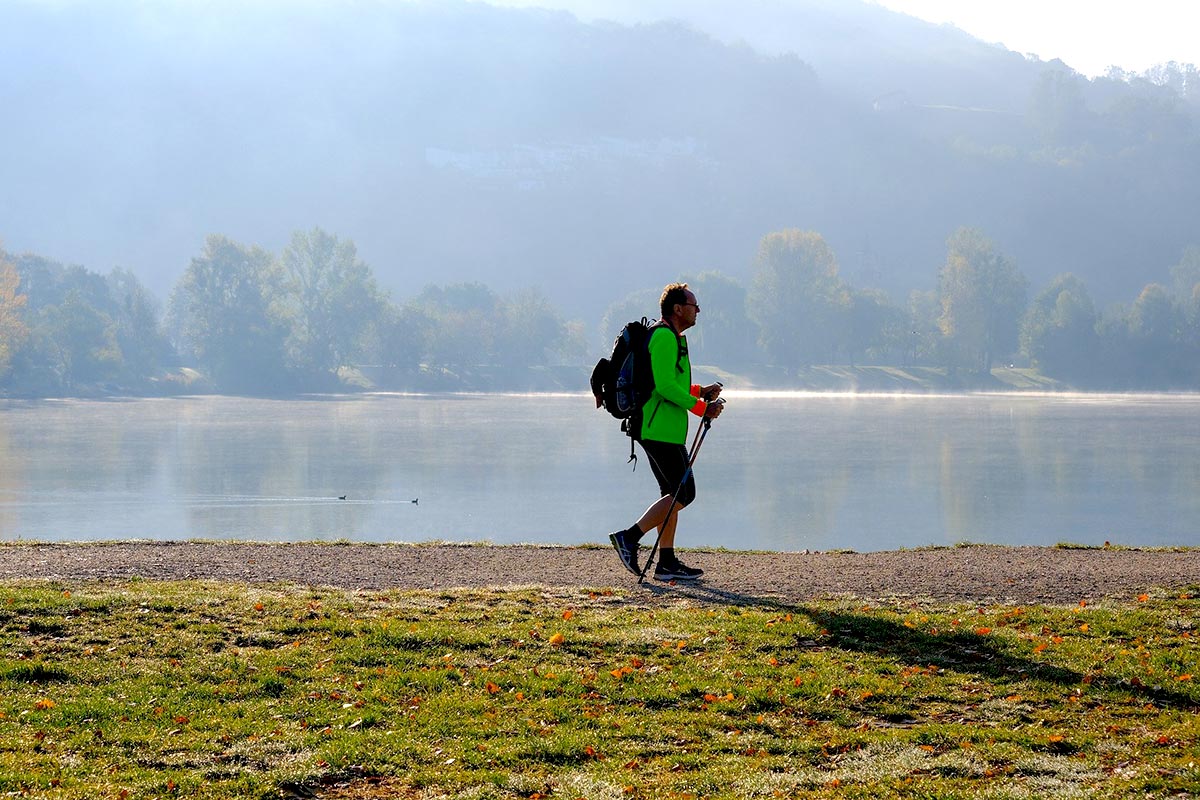
Walking may be the most underrated exercise in longevity. It is accessible, inexpensive and easy to accumulate throughout the day. Recent research also continues to show that higher step counts are associated with lower mortality and disease risk. But walking cannot fully replace strength training. It does not challenge the upper body and often does not provide enough resistance to preserve muscle strength as effectively as dedicated resistance exercise. The ideal combination is therefore not walking versus weights. It is walking or other aerobic activity plus strength training. One keeps you moving. The other helps ensure you remain capable of moving.
How Much Exercise Do You Actually Need?
The numbers are less intimidating than many people expect. Current international recommendations for adults, including older adults, call for roughly 150 to 300 minutes of moderate aerobic activity per week, or 75 to 150 minutes of vigorous activity, or a combination of both. Muscle-strengthening activity involving the major muscle groups should be performed at least twice per week. Older adults should also include balance-focused activity. More activity can provide additional benefits, but this is not an all-or-nothing equation. Replacing sedentary time with even light activity already moves the risk profile in the right direction. The person who goes from almost no movement to regular walking may gain more than the already highly active person who adds another exhausting workout.
Is More Always Better?
No. The relationship between exercise and longevity should not become another competition. Very high training volumes may be appropriate for athletes, but longevity does not require turning every day into an endurance event. Recovery still matters. Excessive training combined with inadequate sleep, insufficient nutrition or persistent fatigue can undermine performance and make consistency harder. The goal is enough activity to create adaptation without making exercise itself another chronic stressor. For most people, the biggest health problem is not that they train too much. It is that they sit too much and train too little.
No Pill Does All of This at Once
This is where the comparison with longevity supplements becomes uncomfortable. A supplement may influence one pathway or correct one deficiency. A drug may improve one metabolic problem. Exercise simultaneously trains the cardiovascular system, improves insulin sensitivity, preserves muscle, strengthens functional capacity, supports bone, improves balance and is associated with better mental and cognitive health. That does not mean medication is unnecessary. People with hypertension, diabetes, cardiovascular disease or other conditions should use effective medical treatment when indicated. Exercise is not a moral alternative to medicine. The point is simply that no longevity supplement currently offers the same broad physiological reach.
Exercise and Sleep Still Form the Boring Foundation
There is another reason supplement-first thinking fails. Training only works well when recovery is possible. Chronic sleep restriction affects glucose control, appetite, cardiovascular health, cognition and the ability to train consistently. Enough movement during the day and enough sleep at night may sound less sophisticated than a personalized stack of capsules, but together they influence many of the same outcomes the longevity industry is trying to optimize. Supplements can be useful when they solve a real nutritional or medical problem. They should sit on top of the foundation, not underneath it.
The Bottom Line
Exercise is not literally a drug, and calling it one should not obscure the differences between lifestyle and medical treatment. But as a longevity intervention, its range is difficult to match. Regular physical activity is associated with lower rates of cardiovascular disease, hypertension, type 2 diabetes, several cancers, depression, cognitive decline, falls, functional impairment and premature mortality. Add resistance training and you also protect muscle strength, metabolic reserve and independence. The most effective longevity strategy may therefore be frustratingly simple: move frequently, train your muscles, challenge your cardiovascular system, avoid spending most of the day sitting and sleep enough to recover. Science may eventually give us remarkable anti-aging drugs. Until then, movement remains one of the closest things we have to a whole-body longevity intervention.
References
World Health Organization. Guidelines on Physical Activity and Sedentary Behaviour. | Centers for Disease Control and Prevention. Physical Activity Guidelines for Older Adults. | National Cancer Institute. Physical Activity and Cancer Risk. | Shreves AH et al. Amount and Intensity of Daily Total Physical Activity, Step Count and Risk of Incident Cancer. British Journal of Sports Medicine. 2025. | American College of Sports Medicine. Resistance Training Prescription for Muscle Function, Hypertrophy, and Physical Performance in Healthy Adults. | Physical Activity Types, Variety, and Mortality: Results From Two Prospective Cohort Studies. 2026.