Protein Before Carbs Helped Me Control My Appetite
In my previous articles, I explained how an unexpected HbA1c result changed the way I looked at nutrition and why intermittent fasting became one of the most effective habits I have ever adopted. But there was another surprisingly simple change that made an enormous difference to me—one that required no expensive supplements, complicated meal plans or calorie counting. I simply changed the order in which I ate my food.
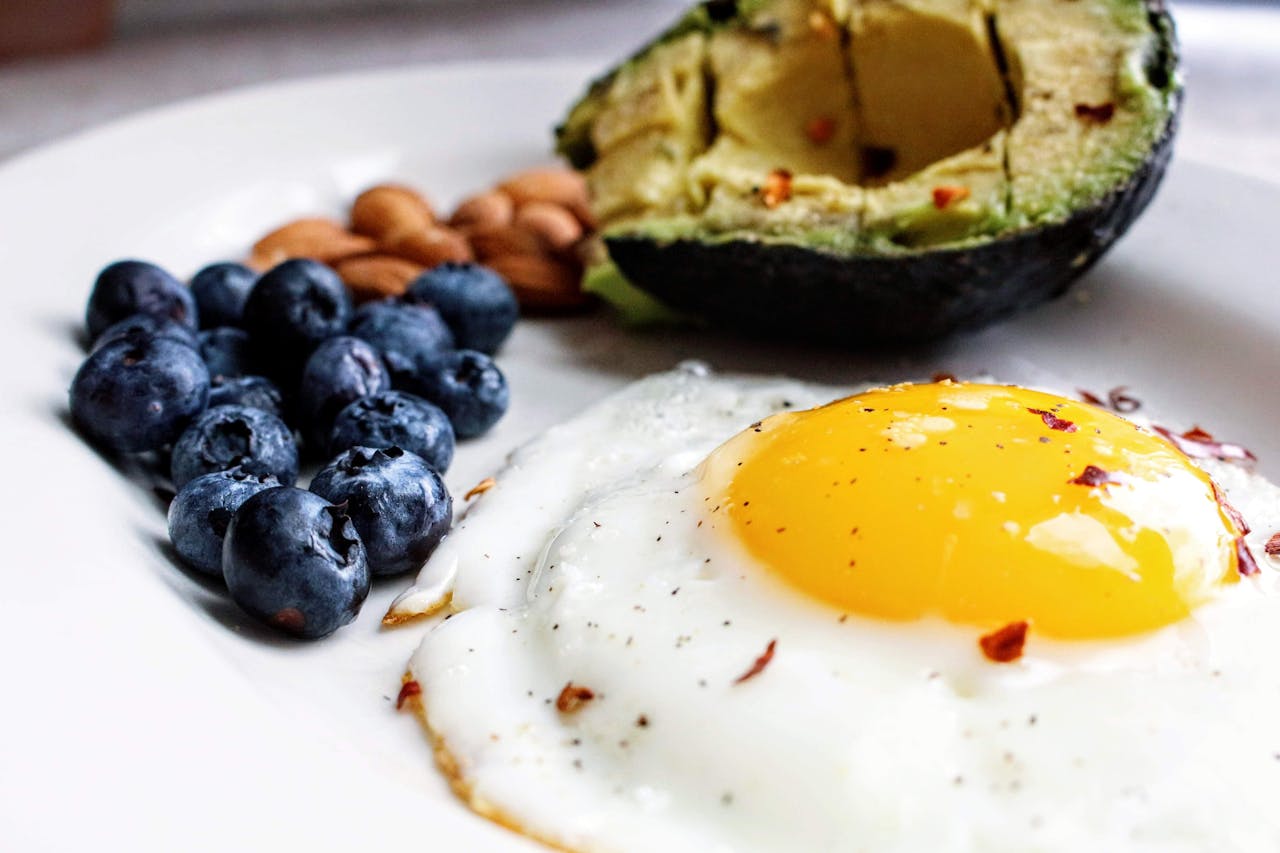
Instead of beginning a meal with bread, pasta, potatoes, rice or dessert, I started eating protein first. Chicken, fish, eggs, cottage cheese, Greek yogurt or other protein-rich foods became the first part of almost every meal. Vegetables usually followed. If I still wanted carbohydrates or something sweet, I ate them afterwards—and never as a snack between meals. If I felt like having dessert, I enjoyed it immediately after the meal rather than several hours later.
To my surprise, this small adjustment made controlling my appetite much easier. I no longer experienced the strong hunger that often appeared after carbohydrate-rich meals, and I found it much easier to stay within my eating window while practicing intermittent fasting. Together, these habits helped me lose around ten kilograms over eight months without feeling that I was constantly denying myself food.
Of course, my personal experience is not scientific proof that everyone should eat this way. But it encouraged me to explore what researchers have discovered about meal order, blood sugar and appetite regulation. The results were far more interesting than I expected.
Does The Order Of Food Really Matter?
For decades, nutrition advice focused almost entirely on calories, fat, carbohydrates and protein. More recently, scientists have begun asking another question: could the sequence in which foods are eaten also influence blood sugar and insulin responses?
Several studies suggest that it can. Eating protein, fibre-rich vegetables and healthy fats before carbohydrate-rich foods may reduce the speed at which glucose enters the bloodstream. As a result, blood sugar often rises more gradually after a meal, requiring a smaller insulin response. Although the overall amount of food still matters most, meal order appears to influence how the body processes that food.
Why Protein Comes First
Protein provides much more than the building blocks for muscle. It is also one of the most satisfying nutrients we can eat. Protein stimulates the release of hormones involved in satiety while slowing the rate at which food leaves the stomach. This means people often feel full for longer after a protein-rich meal compared with one dominated by refined carbohydrates.
When protein is eaten before carbohydrates, digestion tends to slow down slightly. Glucose enters the bloodstream more gradually, reducing the sharp spikes and rapid drops that some people experience after highly refined meals. For individuals concerned about blood sugar regulation or insulin resistance, this may represent a useful strategy alongside overall healthy eating habits.
What Happens To Blood Sugar?
Imagine eating a large slice of cake on an empty stomach. Refined carbohydrates are rapidly digested, blood glucose rises quickly and insulin is released to move that glucose into cells. Several hours later, some people experience renewed hunger as blood glucose begins to fall again.
Now imagine eating grilled chicken, a mixed salad and some vegetables before enjoying a small dessert. The carbohydrates still reach the bloodstream, but generally at a slower rate. Protein, fibre and healthy fats influence digestion, helping to smooth the post-meal glucose response. This does not eliminate calories or make desserts "healthy," but it may reduce the dramatic fluctuations that encourage further eating.
Readers who would like to understand why insulin plays such an important role in this process can find a detailed explanation in our companion article, Insulin Resistance Explained: Causes, Symptoms, Prevention and Treatment. There we examine how insulin regulates blood glucose and why improving insulin sensitivity is such an important part of long-term metabolic health.
Dessert After The Meal Instead Of Between Meals
One habit that surprised me most was changing when I ate sweet foods. I stopped eating chocolate, cake or biscuits between meals. If I wanted dessert, I had it immediately after lunch or dinner instead of as a separate snack several hours later. Psychologically, I never felt deprived because I was still allowed to enjoy something sweet. Metabolically, however, my dessert became part of an already balanced meal rather than creating an additional blood sugar spike during the day. For me, this simple habit was far easier to maintain than trying to eliminate sweets altogether.
Can Food Order Replace A Healthy Diet?
The simple answer is no. Changing the order in which you eat your food is not a shortcut that allows unlimited amounts of carbohydrates or desserts. Calories still matter, overall diet quality still matters and regular physical activity remains essential. Food order should be seen as a practical strategy that may help improve appetite control and blood sugar regulation, not as a replacement for healthy eating.
Think of it as another useful tool rather than another restrictive diet. For many people, small habits that are easy to maintain often produce better long-term results than complicated nutrition plans that become impossible to follow after only a few weeks.
Who May Benefit The Most?
Although anyone can experiment with eating protein before carbohydrates, research suggests that the strategy may be particularly useful for people with prediabetes, insulin resistance, metabolic syndrome or excess abdominal fat. Slowing the rise in blood glucose after meals may reduce the amount of insulin required and improve satiety, making it easier to maintain healthy eating habits.
People who often feel hungry shortly after eating carbohydrate-rich meals may also notice a difference. Beginning with protein and vegetables creates a feeling of fullness much earlier during the meal, reducing the temptation to overeat later.
Simple Ways To Try It Yourself
The good news is that changing food order requires almost no effort. There is no need to buy special products or follow a complicated meal plan. Simply start your meal with a source of protein such as fish, chicken, eggs, cottage cheese, tofu or Greek yogurt. Add vegetables or a salad before moving on to rice, pasta, potatoes or bread.
If you enjoy dessert, there is usually no need to eliminate it completely. Having something sweet immediately after a balanced meal is often a better option than eating sugary snacks on an otherwise empty stomach during the afternoon or evening. This was one of the simplest habits I introduced, and surprisingly, I never felt that I was giving anything up.
It Worked Because It Was Sustainable
Looking back, I don't believe this habit worked because it was scientifically perfect. It worked because it was incredibly easy to follow. I never counted every calorie, never completely banned carbohydrates and never told myself that I could never eat dessert again. Instead, I changed the sequence of my meals and allowed myself occasional treats—but only after eating a proper meal.
Combined with intermittent fasting, daily walking and regular strength training, this small adjustment became part of a lifestyle that I have now maintained comfortably. The best nutritional strategy is rarely the most restrictive one. It is usually the one you can still follow years later without feeling that you are constantly fighting your own appetite.
The Bottom Line
Does food order matter? Current research suggests that it probably does. Eating protein, vegetables and healthy fats before carbohydrate-rich foods may help reduce post-meal blood sugar spikes, improve satiety and support better metabolic health. While this simple strategy is not a substitute for an overall healthy lifestyle, it may make healthy eating easier and more sustainable.
For me, changing the order of my meals became one of the easiest lifestyle changes I have ever made. Together with intermittent fasting, regular exercise and greater awareness of my blood sugar, it helped me lose around ten kilograms and, even more importantly, maintain that weight. Sometimes the biggest improvements in health come not from dramatic changes, but from surprisingly simple habits that fit naturally into everyday life.
Source: Weill Cornell Medicine – Food Order Has a Significant Impact on Blood Sugar Levels