My mom's situation is quite difficult. She's 65 years old, with high blood pressure and an incipient cardiac insufficieny plus calcium kidney stones; or at least this was her situation before the accident. The doctor had already told her she had to lose weight and she was starting to do just that when one day she tripped on some construction site debris breaking her ankle in such a way that... well she's been through two surgeries and she's been confined in a wheelchair for more than six months. She's been really depressed despite my best efforts and the constant pain was not helpful.
I didn't know it but now I realize she honestly thought she would not be able to ever walk again and after being the cheerful independent woman she used to be the idea hit her pretty hard. I mean, I could feel my heart breaking when finding her crying quietly in her room but I had no idea she was so scared. But well, around two weeks ago the doctor finally told her she could leave the wheelchair behind and get on crutches and stand on her two feet and it's as if she's come back to life. She's been going up and down the stairs with the crutches ever since and in two weeks flat her walking has impproved so much the doctor says in a couple of weeks we'll be using just one crutch and in a month she'll be walking on her own. She's over the moon to say the least.
There's just one problem. Six months in a wheelchair and a deep depression plus family wanting to cheer her up (with food) and now she's very much like a baloon. Our physiotherapist says walking will not happen unless she loses at least five kilos and that ten would be best and the next thing my mom did was take a cab to the dietitian.
This past two weeks my mom has been following her instructions to the letter, so much so I actually have to convince her to eat the whole amounts said instructions say. The thing is there's not been any weight loss. The doctor ordered a series of lab tests and after a lot questions they think my mom's metabolism has gotten very low and I guess that is so as she tires very easily these days no matter her determination.
So what we need is excercise but the problem is that, rural part of our country that we are in, there's no one to help us with a routine. There are a lot of things to consider; like how my mom still can't stand on one foot withouth the crutches, or how it swells if she pushes the ankle too much, or how she can't raise her arms over her head for long periods of time without feeling it in her heart, or how we fear too much excercise will affect her blood pressure.
For now the dietitian is helping with a diet to heighten metabolism by which my mom is eating small portions of food many times in a day and I've found small tricks on the net like making her drink water and lime juice without sugar early in the morning but I still think she needs to work out. And for more than one reason as, right now she's really happy but, when she feels tired and has to rest instead of resting she starts getting anxious and looking everywhere for something to do. Like she can't stand the thought of laying down anymore. And the other day we had a conversation that opened my eyes to how much she fears becoming "useless" as she says, so I think some exercise would really do her good.
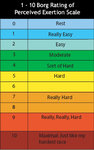
But there are so many questions like, how much at first? should I use the same guides for beginners as other people do? How cautious should I be about her heart? Should I, like some guides say, take her pulse and calculate like that the pace of the exercise? Should we use cardio routines or repetition routines considering her special situation? Should she try to push her muscles? She's getting PT right now but only for her ankle, so I at least know she can and should do stretching excercise as that is good for her joints but how much, in other locations besides the injured one? Should she hold a pose till she feels the sting or not and will this affect her heart? And really the cardiologist here is no help at all, he's a fat, fat man whose only response to everything is "eat less" while he pats you on the shoulder, we're going to a new one as soon as the doc gives my mom permission to travel, but in the meantime I really don't know where to take my questions. Could you help me please? With anything? The smallest piece of advice will a beacon of light for me really.
I didn't know it but now I realize she honestly thought she would not be able to ever walk again and after being the cheerful independent woman she used to be the idea hit her pretty hard. I mean, I could feel my heart breaking when finding her crying quietly in her room but I had no idea she was so scared. But well, around two weeks ago the doctor finally told her she could leave the wheelchair behind and get on crutches and stand on her two feet and it's as if she's come back to life. She's been going up and down the stairs with the crutches ever since and in two weeks flat her walking has impproved so much the doctor says in a couple of weeks we'll be using just one crutch and in a month she'll be walking on her own. She's over the moon to say the least.
There's just one problem. Six months in a wheelchair and a deep depression plus family wanting to cheer her up (with food) and now she's very much like a baloon. Our physiotherapist says walking will not happen unless she loses at least five kilos and that ten would be best and the next thing my mom did was take a cab to the dietitian.
This past two weeks my mom has been following her instructions to the letter, so much so I actually have to convince her to eat the whole amounts said instructions say. The thing is there's not been any weight loss. The doctor ordered a series of lab tests and after a lot questions they think my mom's metabolism has gotten very low and I guess that is so as she tires very easily these days no matter her determination.
So what we need is excercise but the problem is that, rural part of our country that we are in, there's no one to help us with a routine. There are a lot of things to consider; like how my mom still can't stand on one foot withouth the crutches, or how it swells if she pushes the ankle too much, or how she can't raise her arms over her head for long periods of time without feeling it in her heart, or how we fear too much excercise will affect her blood pressure.
For now the dietitian is helping with a diet to heighten metabolism by which my mom is eating small portions of food many times in a day and I've found small tricks on the net like making her drink water and lime juice without sugar early in the morning but I still think she needs to work out. And for more than one reason as, right now she's really happy but, when she feels tired and has to rest instead of resting she starts getting anxious and looking everywhere for something to do. Like she can't stand the thought of laying down anymore. And the other day we had a conversation that opened my eyes to how much she fears becoming "useless" as she says, so I think some exercise would really do her good.
But there are so many questions like, how much at first? should I use the same guides for beginners as other people do? How cautious should I be about her heart? Should I, like some guides say, take her pulse and calculate like that the pace of the exercise? Should we use cardio routines or repetition routines considering her special situation? Should she try to push her muscles? She's getting PT right now but only for her ankle, so I at least know she can and should do stretching excercise as that is good for her joints but how much, in other locations besides the injured one? Should she hold a pose till she feels the sting or not and will this affect her heart? And really the cardiologist here is no help at all, he's a fat, fat man whose only response to everything is "eat less" while he pats you on the shoulder, we're going to a new one as soon as the doc gives my mom permission to travel, but in the meantime I really don't know where to take my questions. Could you help me please? With anything? The smallest piece of advice will a beacon of light for me really.
 It's pretty common for most people to hold their breath during exercise, it usually just takes practice.