Training as an Inflammation Regulator – Why Movement Protects You Only When It’s Dosed Correctly
“Any inflammation anywhere in the body can lead to a heart attack.” That sentence sounds dramatic, almost alarmist. And yet it reflects a medical reality that has become impossible to ignore. Chronic, low-grade inflammation is now considered one of the key drivers behind cardiovascular disease, type 2 diabetes, neurodegeneration, and accelerated aging. The real danger is not inflammation itself—it is duration, accumulation, and lack of regulation.
At the same time, modern fitness culture sells movement as a universal antidote. Train more. Train harder. Optimize everything. If you exercise, you’re protected—end of story. That logic is comforting, popular, and wrong. Movement can regulate inflammation. It can also amplify it. The difference is not whether you train, but how you do it.
Inflammation Is Not the Enemy—It’s a Control System
Inflammation is not a malfunction. It is one of the body’s most precise regulatory tools. Acute inflammation repairs tissue, fights infection, and initiates adaptation. Training itself relies on this mechanism. Every workout creates micro-inflammation. Muscles rebuild stronger, blood vessels adapt, metabolic pathways improve.
The problem begins when inflammation stops being a signal and becomes a state. Chronic inflammation is quiet, unspectacular, and often symptom-free. No fever. No obvious pain. Just fatigue, stalled performance, insulin resistance, elevated blood lipids, and subtle vascular damage. This is where risk accumulates—especially in people who still look “fit” on the outside.
Exercise Lowers Inflammation—Until It Doesn’t
Consistent evidence shows that regular, moderate physical activity reduces systemic inflammatory markers such as CRP and interleukin-6. It improves endothelial function, stabilizes glucose regulation, and nudges the immune system toward balance instead of constant alert. Movement is not just calorie burn—it is biological signaling.
But the same data also shows the flip side. Excessive volume, poor recovery, chronic sleep deprivation, psychological stress, and persistently elevated cortisol keep inflammatory pathways switched on. Overtraining is not a motivation issue. It is an inflammatory condition with a gym membership.
The key takeaway is uncomfortable but simple: training does not protect you from inflammation—appropriate training does.
It Doesn’t Have to Be a Gym—Daily Movement Beats Programs
One of the biggest myths in American fitness culture is that exercise only “counts” when it is intense, structured, and time-boxed. For inflammation control, the opposite is often true. The body responds best to frequent, low-threshold movement embedded into daily life.
A brisk walk before work. Twenty minutes of walking during lunch. Choosing movement over the car whenever possible. These create repeated metabolic signals without triggering a stress response. Blood sugar spikes flatten. Circulation improves. Inflammatory tone drops. The system is challenged—but not threatened.
For people with desk jobs, this matters more than occasional high-intensity sessions. Eight hours of sitting cannot be erased by one heroic workout. Inflammation responds to distribution, not compensation.
Lifestyle Wins, Not the Training Plan
Inflammation is not a training variable—it is a system outcome shaped by sleep, nutrition, stress, and the microbiome. You can train five days a week and still live in a pro-inflammatory state if sleep is short, stress is chronic, and meals are rushed and reactive.
Sleep is especially underestimated. Even a few nights of restricted sleep measurably increase inflammatory markers. Chronic stress does the same. The nervous system talks to the immune system far more directly than fitness marketing likes to admit. Exercise can regulate this interaction—or become another stressor on the pile.
Nutrition: Fat Is Not the Villain—Patterns Are
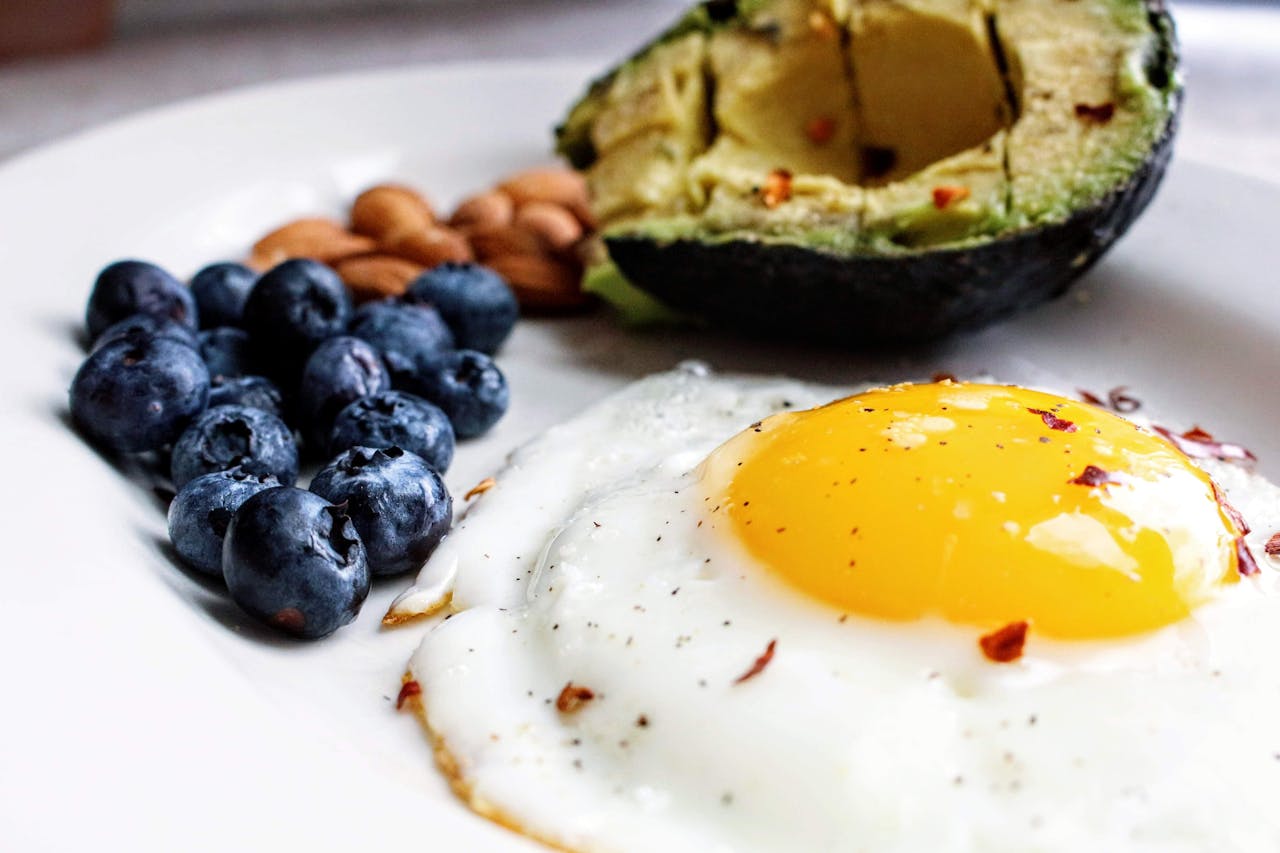
Inflammation nutrition is often oversimplified. Fat is framed as inflammatory. Plants as protective. Reality is less ideological. What matters is composition and consistency.
Omega-3 fatty acids from fish, nuts, and certain oils have documented anti-inflammatory effects. They influence signaling pathways, support vascular health, and modulate immune responses. The real problem lies in ultra-processed fats, chronic omega-6 dominance, and highly processed foods that keep metabolic stress permanently elevated.
An anti-inflammatory diet is not a cleanse or a challenge. It is a pattern: regular, nutrient-dense, minimally processed. It supports movement. It does not replace it.
Supplements Support—They Don’t Rescue
Omega-3s, magnesium, or curcumin can be useful tools when demands are high or deficiencies exist. Their effect is real—but limited. No supplement overrides chronic stress, poor sleep, or inactivity. The order matters: lifestyle first, supplementation second. Never the other way around.
Why Being Fit Does Not Equal Being Protected
You can be lean and inflamed. You can be strong and metabolically stressed. You can look athletic and still carry elevated cardiovascular risk. Inflammation does not care about aesthetics. It responds to biological signals.
Training is powerful—but it is not immunity. Its protective effect only emerges when it fits into a coherent system.
Movement as a Daily Regulator, Not a Weekend Event
The body does not demand extremes. It demands repetition. Moderate movement, spread across the day and adapted to real life, often outperforms ambitious plans that collapse under their own intensity.
When movement becomes a default behavior instead of a compensatory ritual, its regulatory power emerges. Training stops trying to fix an unhealthy lifestyle and starts stabilizing a functional one.
You cannot out-train inflammation. But you can influence it—quietly, consistently, and every single day.
Scientific Sources
Ridker PM. Clinical application of C-reactive protein for cardiovascular disease detection and prevention. Circulation. 2003.
Pedersen BK, Febbraio MA. Muscles, exercise and obesity: skeletal muscle as a secretory organ. Nature Reviews Endocrinology. 2012.
Gleeson M et al. The anti-inflammatory effects of exercise: mechanisms and implications for disease prevention. Nature Reviews Immunology. 2011.
Hawley JA et al. Integrative biology of exercise. Cell. 2014.
Calder PC. Omega-3 fatty acids and inflammatory processes. Nutrients. 2010.