We live in an age where the body is no longer simply felt, trained or ignored with heroic confidence. It is measured. Steps, sleep, heart rate, blood pressure, weight, body fat, heart rate variability — everything becomes a number, a graph, a notification or a quiet little judgment delivered by a device on your wrist before coffee has even had the chance to lie to you. Fitness tracking promises clarity. It promises control. It promises that if we can finally see what is happening inside and around the body, we will make better decisions. That sounds reasonable. It is also only half true. Data can show you the truth. It cannot force you to live accordingly.
The Seduction of Measuring Everything
The appeal of health tracking is easy to understand. Most people are terrible at estimating their own habits. They overestimate movement, underestimate calories, romanticize their sleep and describe stress as “a busy week” until their blood pressure quietly starts writing a resignation letter. A tracker interrupts that fantasy. It gives structure to something vague. Suddenly sleep is not just “fine,” weight is not just “basically stable,” and activity is not whatever your ego remembers from last Tuesday. Numbers do not care about self-image. That is precisely why they can be useful.
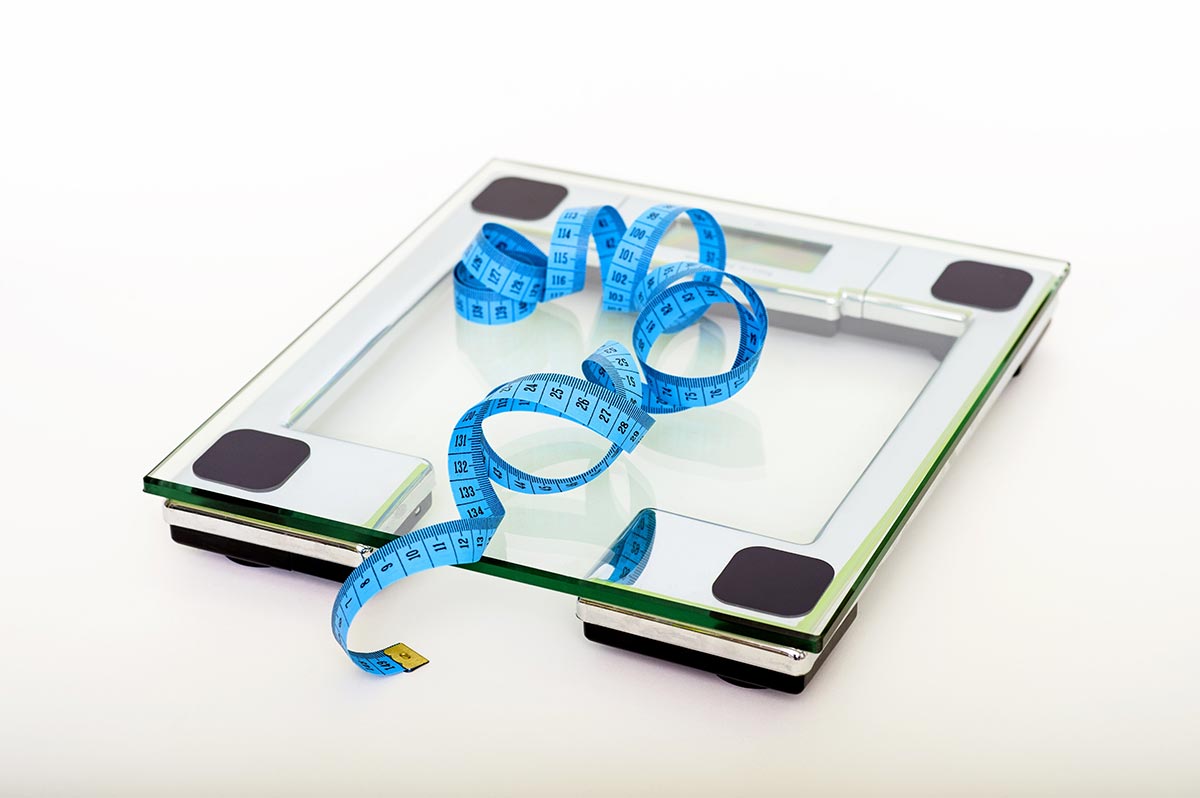
I use several Withings devices myself — a blood pressure monitor, a smart scale with body composition tracking and a watch that has taught me more about my sleep than I sometimes wanted to know. The sleep data was especially revealing. Some nights feel acceptable until the numbers make it clear that the body experienced them less as recovery and more as administrative survival. The scale adds another layer of honesty. It shows trends over time, not emotional reactions to one meal, one day or one suspiciously heavy glass of water. As I wrote in my article on how my daily weigh-in keeps me in shape, the point is not obsession. The point is awareness before denial becomes a lifestyle.
Why Data Feels Like Control
Health data creates a powerful feeling: the feeling that you are doing something. You measure, compare, observe and interpret. That can be genuinely helpful, especially when you are trying to understand patterns. Poor sleep after late meals. Higher resting heart rate during stressful weeks. Weight changes that become visible only over time. Blood pressure shifts that might otherwise remain unnoticed. In that sense, tracking is not a gimmick. It can be an early-warning system and a reality check.
But the feeling of control is not the same as control. This is where the modern fitness industry sometimes gets very clever and slightly ridiculous. It sells dashboards as discipline, sensors as strategy and notifications as accountability. Yet the body does not improve because it has been observed. It improves because behavior changes. A watch can tell you that you slept badly. It cannot put you to bed earlier. A scale can show weight trends. It cannot stop you from eating as if the refrigerator personally insulted you. A blood pressure monitor can show risk. It cannot make your work life less chaotic, your dinner lighter or your stress management more mature.
The Real Problem Starts After the Measurement
The most important moment in health tracking comes after the number appears. That is where most people fail. Not because they are stupid, but because information is easier than implementation. Seeing a bad sleep score is easy. Changing the evening routine is harder. Seeing that weight loss has stalled is easy. Adjusting food intake, alcohol, snacks and movement is harder. Seeing elevated blood pressure is easy. Taking stress, sodium, sleep and medical advice seriously is harder. Data opens the door. Walking through it remains annoyingly manual.
This is why more data often becomes a sophisticated way to avoid simpler truths. People do not always need another metric. Sometimes they need fewer excuses. The uncomfortable reality is that most health advice is not mysterious. Move regularly. Sleep enough. Eat mostly real food. Keep protein adequate. Reduce sugar and ultra-processed snacks. Manage stress before it manages you. The problem is not that people have never heard these things. The problem is that these things require repetition without applause.
Why Tracking Matters More After 40
That does not mean tracking is useless. Quite the opposite. It becomes more valuable when the body stops forgiving everything. After 40, recovery is less automatic. Sleep matters more. Blood pressure becomes less theoretical. Weight changes can be slower, and training mistakes become harder to ignore. The body is not broken; it simply becomes less interested in pretending you are still twenty-five. Fitness after midlife is not about panic. It is about feedback.
Health data can be especially useful here because it shows how connected everything is. Poor sleep affects appetite and recovery. Stress affects blood pressure. Training too hard without enough rest affects performance. Weight management becomes less about heroic effort and more about systems. This is where wearables and smart devices can actually serve a serious purpose. They help reveal patterns that are easy to miss when life is busy and self-perception is conveniently optimistic.
The Difference Between Awareness and Obsession
There is, however, a line. Awareness helps. Obsession exhausts. Some people start with healthy curiosity and end up treating every metric like a moral verdict. A poor sleep score becomes personal failure. A weight fluctuation becomes drama. A slightly elevated heart rate becomes an evening of amateur cardiology on Google. This is not health. This is anxiety wearing a fitness tracker.
The body fluctuates. That is not a bug; it is biology. One bad night does not mean decline. One heavier morning does not mean failure. One unusual reading does not define your health. Trends matter more than single data points. Context matters more than panic. Good tracking requires maturity: the ability to look at numbers without becoming their servant. The device should support body awareness, not replace it.
The Elite Optimization Trap
In the United States especially, health tracking often gets wrapped in the language of performance culture. Executives wake up at 5 AM, track sleep, monitor glucose, optimize supplements, schedule workouts and treat the body like a quarterly earnings report with abs. At the other end, millions of people struggle with time, money, stress, food access and inconsistent routines. Both groups may have access to information. Only one group often has the conditions to act on it consistently.
That is why the slogan “more data, better health” is incomplete. Optimization is partly a privilege. If you have time, money, flexible work, high-quality food and a stable routine, tracking can refine your habits. If you are exhausted, overworked and surrounded by cheap ultra-processed food, another graph may simply confirm what life is already doing to you. Fitness culture loves to talk about discipline. It talks less eagerly about conditions. The issue is not always effort. Sometimes it is direction, structure and the ability to make good choices repeatedly.
In reality, lifestyle and work structure matter far more than any device. Even within the fitness industry itself, the gap between expectation and reality is obvious — something we’ve explored in detail when looking at what it actually means to be a gym manager in the US.
What Health Data Can Actually Do
Used well, tracking can do several things extremely well. It can reveal patterns. It can create accountability. It can show whether a change is working. It can help people notice warning signs earlier. It can make vague goals more concrete. For someone trying to lose weight, daily weigh-ins can show trends instead of emotional chaos. For someone managing stress, blood pressure readings can become a serious reminder that the body keeps score. For someone training regularly, sleep and recovery data can prevent the classic mistake of confusing exhaustion with discipline.
But tracking works best when it leads to simple action. If sleep is poor, protect the evening. If weight trends upward, adjust intake before panic begins. If blood pressure is consistently high, take it seriously and get medical guidance. If recovery is poor, train smarter, not louder. The value of data is not in the data itself. It is in the next decision.
What Health Data Cannot Do
Tracking cannot create meaning. It cannot provide discipline. It cannot fix emotional eating, chronic stress or chaotic routines by itself. It cannot turn a bad diet into a good one through better visualization. It cannot replace medical care. It cannot replace common sense, although many apps are clearly trying. And it cannot solve the oldest problem in health: knowing what to do and doing it are not the same thing.
This is why the smartest approach is modest. Use tracking as a mirror, not a religion. Let it inform you, not dominate you. Let it correct your illusions, not create new ones. The goal is not to become a perfectly optimized machine. The goal is to live in a body you understand well enough to care for properly.
The Honest Verdict
Fitness tracking is neither a scam nor a miracle. It is a tool. That may sound less exciting than the marketing, but it is more useful. A tool can help you build something, but it cannot decide what you build. Health data can show where you stand, where you drift and where you lie to yourself. It can make progress visible and denial harder. That is already valuable.
But if the numbers never become behavior, tracking becomes theater. Beautiful charts, impressive dashboards, no real change. The body does not reward observation. It rewards repeated action. So the real question is not whether you should track more. The real question is what you are willing to change once the data tells you the truth. Because your body may be talking, your devices may be listening, and the apps may be beautifully designed. But the work still belongs to you.