LONGEVITY UNDER THE MICROSCOPE
Everyone Wants a Longevity Supplement
The search for a longer, healthier life has become a massive industry. NAD+ boosters, antioxidants, collagen powders, magnesium, experimental drugs and increasingly sophisticated supplement stacks promise to support healthy aging. Some may be useful. Others are supported by little more than clever marketing. But while people debate which capsule belongs in the morning pill organizer, two of the most powerful influences on healthy aging remain remarkably ordinary: getting enough sleep and staying physically active. And within that second category, maintaining muscle and strength may be far more important than many people realize. Supplements can support a good foundation. They cannot replace the foundation.
Why Muscle Becomes More Important With Age
Muscle is often treated as something primarily relevant to athletes, bodybuilders or people interested in appearance. Biologically, however, skeletal muscle is much more than something that fills out a T-shirt. It is a large metabolically active organ involved in glucose disposal, energy metabolism, movement, balance and physical independence. Beginning in midlife, muscle mass and particularly muscle strength tend to decline unless we actively do something about it. The process accelerates with age and can eventually contribute to sarcopenia, reduced mobility, falls and loss of independence. The important point is that aging itself may be unavoidable, but the speed and extent of physical decline are highly modifiable.
Strength May Tell Us More Than Muscle Size
Having large muscles and being strong are related, but they are not the same thing. Research repeatedly shows that strength measures, particularly grip strength, are associated with future health outcomes. Lower grip strength has been linked in large population studies with greater risk of disability, cardiovascular disease and premature mortality. That does not mean squeezing a handgrip somehow prevents a heart attack. Grip strength is useful because it acts as a simple marker of overall neuromuscular function, physical capacity and general health. In other words, the number itself is less interesting than what it represents: a body that is capable of producing force.
Muscle Is Also a Metabolic Organ
This becomes especially important when we look at metabolic health. Skeletal muscle is one of the body's major destinations for glucose after a meal. When muscles contract, they increase glucose uptake, and regular resistance training can improve insulin sensitivity. Maintaining more functional muscle therefore gives the body a larger and more active reservoir for handling carbohydrate. This matters because declining insulin sensitivity and rising blood glucose are common problems with aging. You do not need bodybuilding-level muscle mass to benefit. What matters is maintaining enough active tissue and using it regularly.
The Ability to Get Up May Matter More Than the Ability to Bench Press
Longevity is not simply about adding years to life. It is about preserving the ability to live those years independently. Can you get out of a chair without using your hands? Can you climb stairs? Carry groceries? Recover your balance after stumbling? Get up from the floor? These are mundane tasks until they become difficult. Lower-body strength, balance and coordination are crucial for preserving independence. A 70-year-old does not need to chase personal records in the squat rack, but losing the ability to generate force quickly can have consequences far beyond the gym.
Falls Are Not Just Bad Luck
Falls become increasingly serious with age, particularly when they lead to fractures, hospitalization and extended periods of inactivity. Strong legs, better balance and faster reactions cannot eliminate every fall, but they improve the body's ability to prevent one and recover from a loss of balance. Resistance training also supports bone loading, while weight-bearing activity helps maintain skeletal strength. This is one reason strength training belongs in discussions about longevity. It is not simply about adding muscle. It helps preserve the physical reserve that allows people to tolerate illness, injury and the unexpected disruptions that inevitably occur over decades of life.
You Do Not Need to Train Like a Bodybuilder
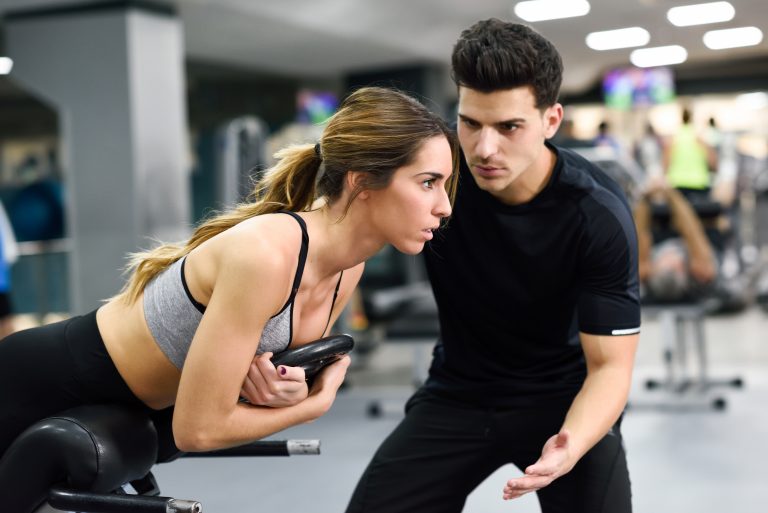
One of the most persistent barriers is the belief that strength training must involve complicated programs, heavy barbells and long sessions. It does not. Machines, cables, dumbbells, resistance bands and bodyweight exercises can all provide an effective stimulus. What matters is that the muscles regularly encounter enough resistance to give them a reason to adapt. For many older adults, two or three well-structured strength sessions per week can be highly effective. The goal is not exhaustion for its own sake. It is gradual progression: a little more resistance, another repetition, better control or a more challenging movement over time.
Walking Is Excellent — But It Is Not Enough for Everything
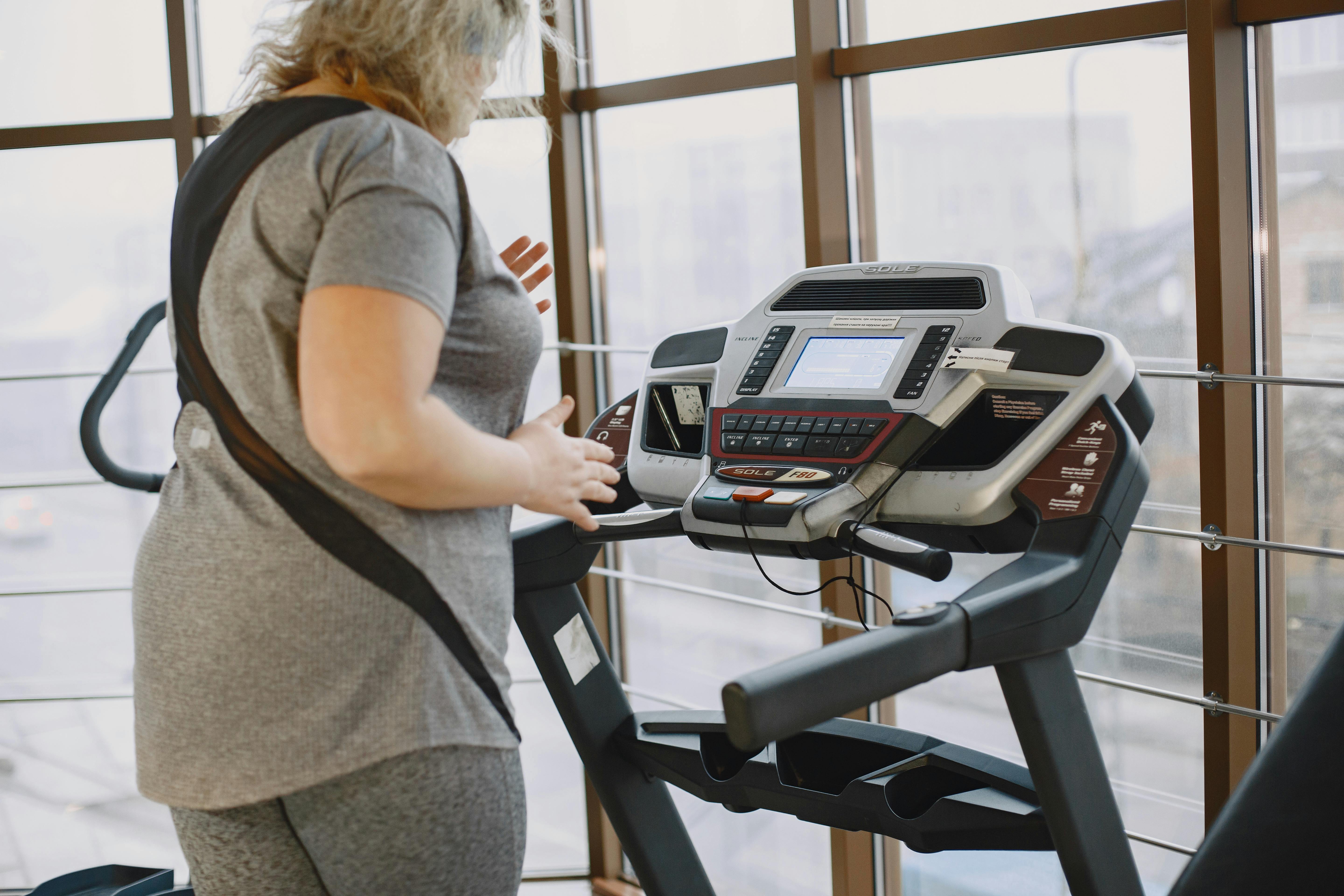
Walking deserves enormous credit. It is accessible, improves cardiovascular health, supports glucose control, helps maintain body weight and can be continued well into old age. But walking does not provide the same stimulus for preserving muscle and strength as resistance training. The two should not compete. They complement each other. Aerobic activity helps maintain the heart, lungs and endurance. Resistance training helps preserve muscle, force production and physical resilience. A longevity program that includes only one while ignoring the other leaves useful adaptations on the table.
Sleep Is the Other Part People Keep Trying to Outsupplement
Exercise gets most of the attention in fitness, but sleep belongs in the same conversation. Chronic sleep restriction affects glucose regulation, appetite, recovery, hormonal signaling, cognitive performance and cardiovascular health. It also makes consistent training harder. No supplement can fully compensate for sleeping five hours every night and then expecting the body to perform as if it had seven or eight. The exact amount of sleep needed varies between individuals, but repeatedly cutting sleep short while investing heavily in longevity supplements is a little like buying premium motor oil while refusing to service the engine.
Protein Matters — But Training Gives It a Job
Adequate protein becomes increasingly important with age because older muscle is somewhat less responsive to small protein doses, a phenomenon often described as anabolic resistance. But simply eating more protein without giving the muscle a reason to maintain itself has limits. Resistance exercise provides that signal. Protein supplies the building materials. Together they create a far more powerful combination than either strategy alone. This is another example of why longevity cannot be reduced to a single nutrient, supplement or pill.
The Best Time to Build Your Reserve Is Before You Need It
Waiting until weakness becomes obvious is a poor strategy. Muscle and strength built earlier in life create a reserve that can become enormously valuable during illness, surgery or periods of inactivity. Hospitalization can lead to rapid losses of muscle, particularly in older adults. Someone who enters that period with greater strength and muscle reserve has more capacity to lose before everyday function becomes compromised. That does not make muscle an insurance policy against every disease. It does make physical reserve one of the most practical forms of preparation for aging.
So What Should You Actually Do?
The practical message is refreshingly simple. Move every day. Include aerobic activity. Train the major muscle groups with resistance at least twice a week. Prioritize movements that preserve useful abilities such as pushing, pulling, standing up, carrying, stepping and maintaining balance. Eat enough protein and overall nutrients to support recovery. And protect sleep as seriously as you protect training time. None of this is futuristic, which may be exactly why it receives less attention than the latest longevity molecule.
The Bottom Line
There may eventually be drugs or supplements that meaningfully slow aspects of biological aging. Some compounds already being studied could prove valuable. But while longevity science searches for the next breakthrough, we should not ignore interventions that already have decades of evidence behind them. Enough sleep, regular movement and preserved muscle strength influence how well we function as we age. Muscle is not merely cosmetic tissue. Strength is not merely an athletic achievement. Together they form part of the biological reserve that helps us remain capable, metabolically healthy and independent. If there is a true longevity stack, resistance training and sleep belong near the top of it.
References
Leong DP et al. Prognostic Value of Grip Strength: Findings From the Prospective Urban Rural Epidemiology Study. The Lancet. | Cruz-Jentoft AJ et al. Sarcopenia: Revised European Consensus on Definition and Diagnosis. Age and Ageing. | Westcott WL. Resistance Training Is Medicine: Effects of Strength Training on Health. Current Sports Medicine Reports. | American College of Sports Medicine. Resistance Training Prescription for Muscle Function, Hypertrophy, and Physical Performance in Healthy Adults. | St-Onge MP et al. Sleep Duration and Quality: Impact on Lifestyle Behaviors and Cardiometabolic Health. Circulation.