LONGEVITY UNDER THE MICROSCOPE
The Colorful Drinks at the Gym
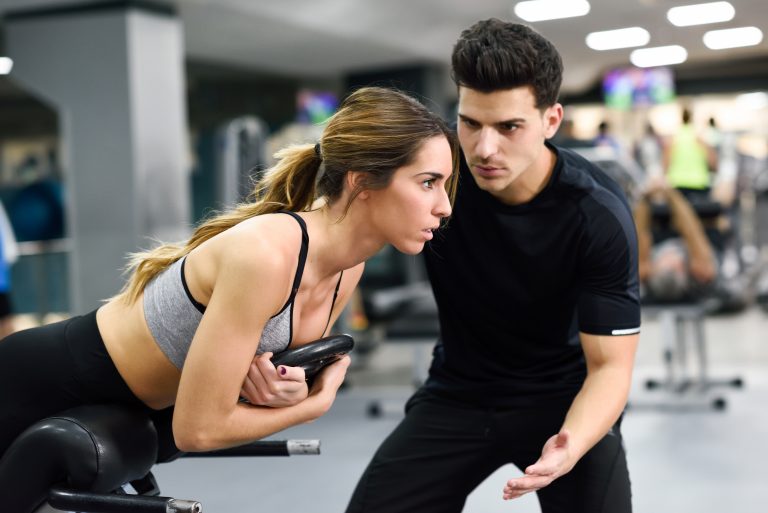
I know plenty of people who never train without something colorful in a bottle. At the front desk, brightly colored electrolyte drinks bubble away in dispensers, protein shakes are mixed before the first set, and vitamin powders are added because “more recovery” must surely be better. Some of these products are consumed during the workout, not after it. And that raises an interesting question: if exercise works partly by creating stress, could aggressively suppressing that stress at exactly the wrong moment interfere with the adaptation we came to the gym for in the first place?
Exercise Is Supposed to Stress the Body
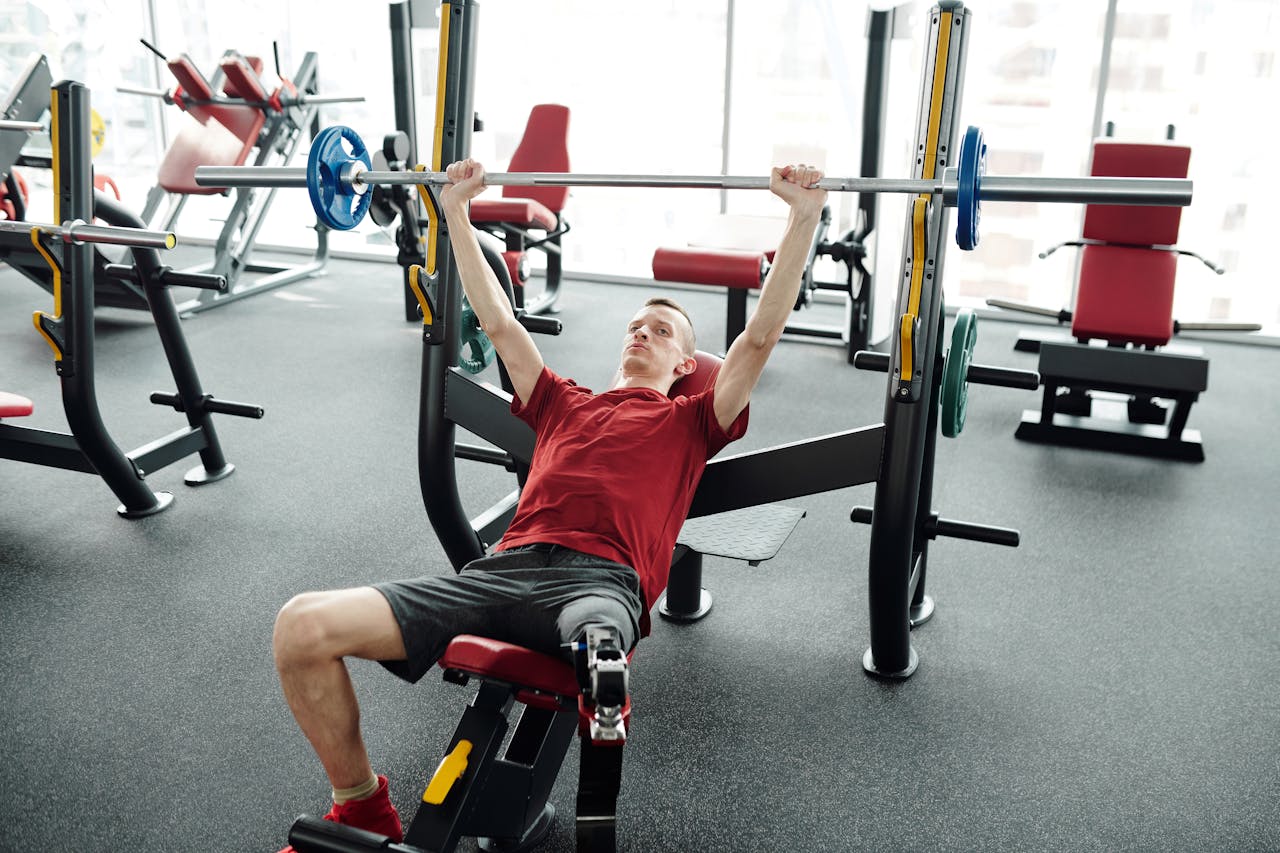
That sounds negative until we remember how training works. Resistance exercise creates mechanical tension. Endurance exercise challenges energy metabolism. Both forms of exercise temporarily disturb the body's internal balance. Reactive oxygen species, often shortened to ROS, rise during physical activity. For years, these molecules were treated almost exclusively as harmful by-products that should be neutralized as quickly as possible. Modern exercise physiology paints a more interesting picture. In moderate amounts, ROS also act as signaling molecules. They help tell the body that something happened and that adaptation is required.
Your Workout Needs a Little Oxidative Stress
This is a classic example of hormesis: a small, temporary stress can make the body better prepared for future stress. Exercise itself is one of the best examples. During training, muscle cells experience energetic, mechanical and oxidative stress. In response, the body activates pathways involved in mitochondrial adaptation, antioxidant defense, glucose regulation and tissue remodeling. The goal is not to eliminate all stress. The goal is to recover from an appropriate amount of it and become more resilient. If we completely remove the signal, we may also remove part of the reason the body has to adapt.
The Problem With High-Dose Antioxidants Before Training
This is where high-dose antioxidant supplements become controversial. Vitamin C and vitamin E are essential nutrients, and deficiencies are clearly undesirable. But several studies have suggested that large supplemental doses taken around exercise can blunt some training adaptations. In endurance studies, high-dose antioxidant supplementation has sometimes reduced improvements in mitochondrial signaling and insulin sensitivity. In resistance training, results are more mixed, but there is enough evidence to make the simple assumption “more antioxidants around training are always better” difficult to defend.
Vitamin C Is Not the Villain
This distinction matters. The problem is not vitamin C itself. Eating fruit before training is not the same thing as swallowing a gram of vitamin C with several hundred international units of vitamin E. Foods contain moderate amounts of antioxidants in a complex matrix of carbohydrates, fiber, minerals and phytochemicals. The body is perfectly capable of handling those amounts. The concern is primarily with concentrated supplements that provide doses far above what would normally be consumed in food, especially when taken immediately before, during or directly after training.
What About Electrolyte Drinks?
The colorful drink at the gym is not automatically a problem. Electrolytes can be useful during long sessions, heavy sweating, hot weather or endurance events where sodium and fluid losses become meaningful. For an ordinary 45-minute strength workout in an air-conditioned gym, however, many people do not need a complicated electrolyte formula at all. Water is often enough. The more relevant question is what else has been added. If the drink contains large doses of antioxidant vitamins simply because “antioxidants equal recovery,” then timing may matter more than the marketing suggests.
And the Protein Shake?
Protein belongs in a different category. Drinking a protein shake before or during training does not create the same concern as high-dose antioxidant supplementation. Protein provides amino acids that support muscle protein synthesis and recovery. For most people, the exact timing is less important than total daily protein intake and eating adequate protein across the day. A shake during training is therefore not inherently wrong. It may simply be unnecessary if you ate a protein-rich meal not long before. The mistake is treating all gym drinks as if they work through the same mechanism. They do not.
Why Timing May Matter
The strongest theoretical concern with antioxidants is when large doses are taken close to the training stimulus. That is the period when ROS and other stress-related signals are helping activate adaptation. Taking moderate antioxidant-rich foods throughout the day is completely different from deliberately flooding the system with concentrated vitamin C and E immediately before exercise. The science is not precise enough to tell us that taking 1,000 milligrams of vitamin C exactly two hours before training will definitely reduce your gains. But it is precise enough to say that routine high-dose antioxidant supplementation around workouts has no clear advantage and may interfere with some beneficial adaptations.
Older Adults Should Pay Particular Attention
This matters even more in a longevity context. Older adults often take multiple supplements because the goal is to “protect” the body from oxidative damage. At the same time, resistance training becomes increasingly important for preserving muscle mass, strength, insulin sensitivity and independence. If a supplement strategy theoretically dampens part of the training signal, that is worth considering. The priority should be to support adaptation, not to suppress every temporary stress response. Healthy aging depends on resilience, and resilience requires the body to be challenged occasionally.
The Antioxidant Paradox
This creates a paradox that is easy to miss. Chronic oxidative stress is associated with aging and disease, so reducing excessive oxidative damage sounds logical. But acute oxidative signaling during exercise is one of the mechanisms that helps the body become more resistant to future stress. The same molecule can therefore be harmful in one context and useful in another. Biology is full of these contradictions. Inflammation works the same way: chronic inflammation is harmful, while short-lived inflammatory signaling after exercise is part of normal adaptation and repair.
More Protection Is Not Always More Health
The supplement industry often sells health as a simple battle against damage: reduce inflammation, neutralize free radicals, lower oxidative stress, recover faster. But if the body never receives a meaningful challenge, it has less reason to become stronger. This is why training, sauna exposure, calorie restriction and other mild stressors are often discussed through the lens of hormesis. A controlled challenge followed by recovery can create adaptation. Constantly trying to prevent every transient stress signal may be a less intelligent strategy than it sounds.
So Should You Stop Taking Antioxidants?
No. That would be an equally simplistic conclusion. Antioxidant vitamins are essential, and supplements can be appropriate when there is a deficiency, increased requirement or medical reason. The point is not to fear vitamin C or vitamin E. It is to stop assuming that very high doses are automatically beneficial simply because antioxidants sound healthy. If someone wants to take a high-dose antioxidant supplement, taking it well away from the workout may be a more sensible choice than swallowing it immediately before training. For most people, however, a varied diet rich in fruits, vegetables, nuts and other whole foods already provides plenty of antioxidant compounds without creating the same concern about megadosing.
What Should You Drink During Training?
For a normal gym session, the answer is often boring: water. If the workout is long, intense, performed in heat or involves heavy sweating, electrolytes may become useful. Carbohydrate can help during prolonged endurance exercise. Protein can be taken before, during or after training depending on the rest of the day's nutrition. But there is no requirement to turn every workout into a chemistry experiment. The body does not need to be protected from the fact that exercise is difficult. Difficulty is part of the signal.
The Bottom Line
Antioxidants are not the enemy, and free radicals are not automatically the enemy either. Exercise temporarily increases oxidative stress, and part of that response helps drive adaptation. High-dose antioxidant supplements, particularly vitamin C and vitamin E, may blunt some of those signals when taken repeatedly around training. Normal antioxidant-rich foods are not the problem. Electrolytes and protein are separate issues and can be useful in the right context. The larger lesson is simple: if you are training to become stronger, fitter and more resilient, do not be too eager to suppress every signal that tells your body it needs to adapt.
References
Ristow M et al. Antioxidants Prevent Health-Promoting Effects of Physical Exercise in Humans. Proceedings of the National Academy of Sciences. | Paulsen G et al. Vitamin C and E Supplementation Hampers Cellular Adaptation to Endurance Training in Humans. Journal of Physiology. | Paulsen G et al. Vitamin C and E Supplementation Hampers Cellular Adaptation to Resistance Training in Humans. Journal of Physiology. | Gomez-Cabrera MC et al. Oral Administration of Vitamin C Decreases Muscle Mitochondrial Biogenesis and Hampers Training-Induced Adaptations in Endurance Performance. American Journal of Clinical Nutrition. | Merry TL, Ristow M. Do Antioxidant Supplements Interfere With Skeletal Muscle Adaptation to Exercise Training? Journal of Physiology.